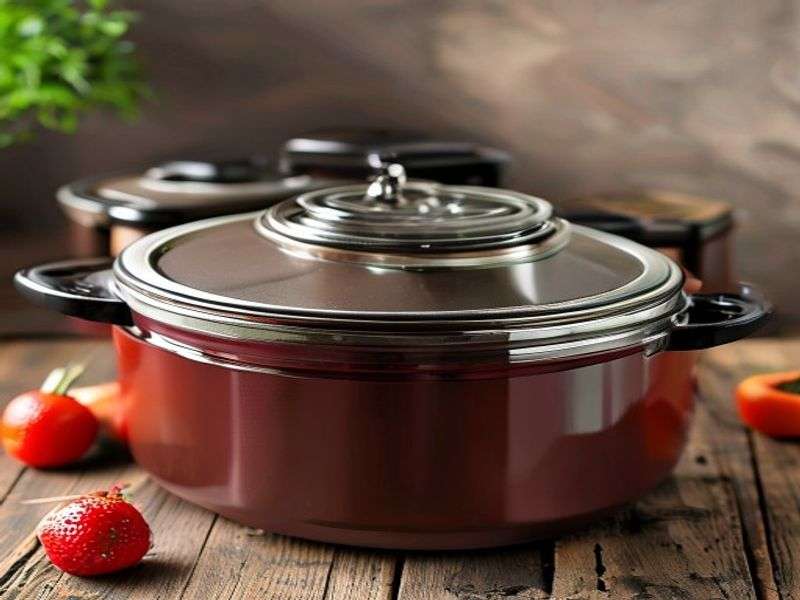
Imagine coming home after a long day to a warm, aromatic meal that’s already cooked. That’s the promise of a crockpot, and many people wonder if this convenient appliance supports a healthier lifestyle. In this article we explore the science behind crockpot cooking, weigh its health advantages against potential drawbacks, compare it to other methods, and give you actionable tips to get the most nutritional value from every slow‑cooked dish. By the end you’ll know whether crockpots truly belong in a health‑focused kitchen.
Quick Answer
Yes, crockpots can be good for health when used correctly. They preserve nutrients, reduce the need for added fats, and encourage the consumption of whole foods. However, improper use—such as cooking at unsafe temperatures or over‑relying on processed ingredients—can diminish those benefits. Follow best practices to maximize health gains.
How Crockpots Work
Understanding the Cooking Mechanism
A crockpot, also called a slow cooker, uses low, steady heat to simmer food over several hours. The sealed lid traps steam, creating a moist environment that gently cooks ingredients.
- Heat source is typically located at the base, warming the ceramic or metal pot.
- Temperatures stay between 190°F and 250°F (88°C–107°C) for safe, slow cooking.
- The design minimizes evaporation, so flavors and nutrients remain inside the pot.
Health Benefits of Using a Crockpot
Nutrient Retention
Because crockpots cook food slowly at low temperatures, water‑soluble vitamins such as vitamin C and B‑complex vitamins are less likely to degrade compared to high‑heat methods like boiling or frying.
- Gentle heat protects delicate nutrients.
- Short cooking times for vegetables reduce loss of antioxidants.
Reduced Added Fats and Calories
The sealed environment requires little to no added oil, butter, or cream. Meals often rely on natural fats from meats or the liquids released by vegetables.
- Lean proteins stay tender without extra oil.
- Vegetables soften in their own juices, cutting down on calorie‑dense sauces.
Improved Digestibility
Slow cooking breaks down tough fibers in beans, lentils, and root vegetables, making them easier to digest and allowing better absorption of minerals like iron and zinc.
Convenient Healthy Meal Planning
With set‑and‑forget functionality, you can prepare balanced meals in advance, reducing reliance on fast food or unhealthy convenience options.
Potential Health Concerns
Temperature Safety
If a crockpot runs below 140°F (60°C) for extended periods, bacteria such as Clostridium perfringens can proliferate. Always start on high heat for the first 30–60 minutes, then switch to low.
Metal Leaching
Older crockpots with worn ceramic coatings may leach small amounts of metals (e.g., lead) into acidic foods. Choose reputable brands that meet food‑grade safety standards.
Over‑cooking Vegetables
While slow cooking softens vegetables, excessive cooking can leach water‑soluble nutrients into the cooking liquid. To preserve nutrients, use minimal water and consider the “no‑add‑water” method.
Crockpots vs. Other Cooking Methods
| Aspect | Crockpot | Stovetop Boiling | Oven Roasting |
|---|---|---|---|
| Nutrient Retention | High | Moderate | Moderate to Low |
| Fat Requirement | Low | Moderate | High |
| Cooking Time | 4–10 hours | 10–30 minutes | 30–90 minutes |
| Convenience | Set‑and‑forget | Active monitoring | Active monitoring |
| Flavor Development | Subtle, melded | Plain | Caramelized, bold |
Tips for Maximizing Health Benefits
- Start on high heat for the first 30 minutes to ensure safe temperature rise.
- Use fresh, whole ingredients; limit processed foods and excessive sodium.
- Layer ingredients wisely: denser items (meat, root veg) go on the bottom, quicker‑cooking items (leafy greens) on top.
- Limit added salt; enhance flavor with herbs, spices, citrus, or low‑sodium broth.
- Check liquid levels; too much water can dilute nutrients and create a watery stew.
- Stir occasionally if the recipe calls for it, but avoid lifting the lid frequently to maintain temperature.
Common Mistakes and Troubleshooting
- Mistake: Adding all ingredients at once without considering cooking times.
Fix: Cut vegetables into uniform sizes and add delicate items later. - Mistake: Using the wrong pot size, leading to over‑crowding.
Fix: Choose a crockpot that allows at least a 2‑inch margin around the food. - Mistake: Ignoring the “danger zone” (40°F–140°F).
Fix: Keep the appliance on low only after the initial high‑heat phase. - Troubleshooting: If food is undercooked, increase the cooking time or switch to high heat for the last 30 minutes.
Best Crockpot Models for Health‑Focused Cooking
- Instant Pot Duo Nova 6‑Quart – Multi‑function, stainless‑steel inner pot, excellent temperature control.
- Crock‑Pot 6‑Quart Manual Slow Cooker – Simple dial controls, BPA‑free ceramic insert, affordable.
- Hamilton Beach 7‑Quart Programmable Slow Cooker – Multiple temperature settings, keep‑warm function, dishwasher‑safe lid.
FAQs
1. Are crockpots safe for cooking raw meat?
Yes, as long as you begin with a high‑heat sear or ensure the pot reaches at least 140°F within the first hour.
2. Does cooking on low temperature destroy nutrients?
No, low temperatures generally preserve nutrients better than high‑heat methods, provided the cooking time isn’t excessively long.
3. Can I use a crockpot for steaming vegetables?
Absolutely. Place a steaming rack inside the pot, add a small amount of water, and cook on low for 2–4 hours.
4. How much water should I add to a crockpot?
Only enough to create steam; most recipes need ½ to 1 cup for a 6‑quart pot.
5. Is it safe to leave a crockpot on while I’m away?
Yes, if the appliance is set to low or warm and the lid stays sealed. Avoid the “danger zone” by ensuring the temperature stays above 140°F.
6. Do crockpots consume a lot of electricity?
They use less power than an oven (around 75–200 watts) and are more energy‑efficient than stovetop simmering.
7. Can I cook beans without soaking them?
Yes, but expect longer cooking times (8–10 hours on low) and ensure there’s enough liquid to cover the beans.
8. Are there any health risks from the ceramic coating?
Modern, food‑grade ceramic coatings are safe. Avoid scratched or cracked surfaces and replace the pot if damage is visible.
Conclusion
When used correctly, crockpots are a valuable tool for health‑conscious cooks. They retain nutrients, reduce added fats, and simplify the preparation of balanced meals. The key is to respect safe temperature ranges, choose quality cookware, and pair the appliance with whole, minimally processed ingredients. By following the tips and avoiding common mistakes, you can enjoy delicious, nutritious slow‑cooked dishes that support a healthier lifestyle.