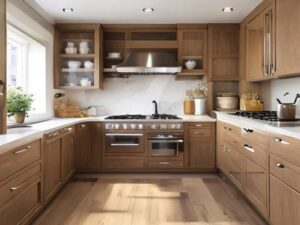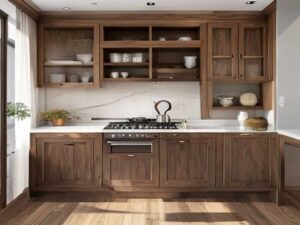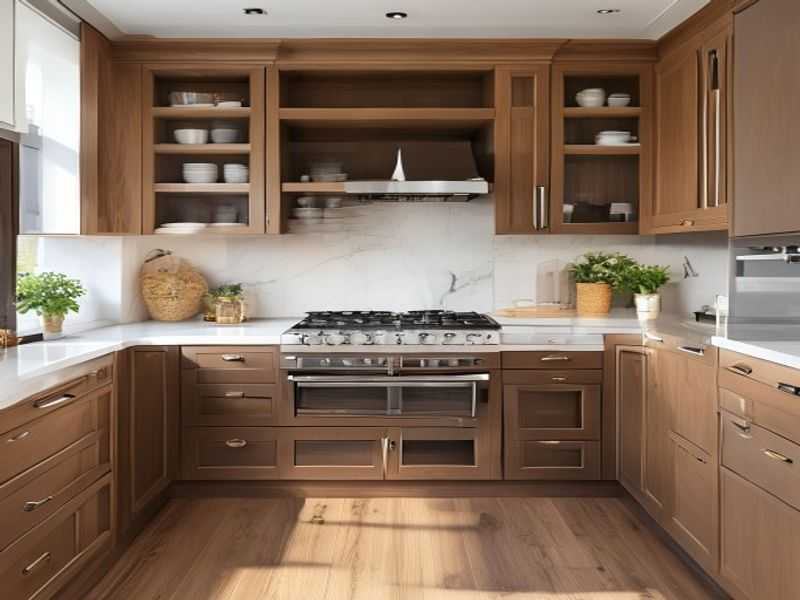
Ever stood in your kitchen and wondered why some cabinets feel too low or too high? The height of upper kitchen cabinets from the floor affects comfort, aesthetics, and functionality. Getting this measurement right means easier cooking, better sightlines, and a kitchen that looks professionally designed. In this guide we’ll explain why cabinet height matters, the standard dimensions, how to measure accurately, installation best practices, common pitfalls, and how to choose the ideal height for your space. This Upper Kitchen Cabinet Height From Floor Guide provides the definitive answer for homeowners, designers, and contractors seeking optimal kitchen layout.
Quick Review
Upper cabinets should typically start 18‑24 inches above the countertop, translating to a floor‑to‑top measurement of 54‑60 inches for standard 36‑inch countertops. Adjust upward for taller users or down for lower countertops, but always keep ergonomics and visual balance in mind.
Why Upper Cabinet Height Matters
The height of upper cabinets influences three core aspects of a kitchen: ergonomics, visual harmony, and storage efficiency. When cabinets are too low, users must stoop to reach items, leading to back strain and slower workflow. If they’re too high, everyday dishes become difficult to retrieve, especially for children or shorter adults. Proper height creates a balanced visual line that ties the countertop, backsplash, and appliances together, making the space feel cohesive. Additionally, correctly placed cabinets maximize vertical storage without wasting ceiling space, supporting a clutter‑free environment.
Ergonomic Benefits
- Reduces shoulder and back strain by keeping frequently used items within a natural reach zone.
- Improves sightlines to the stove and sink, enhancing safety and cooking efficiency.
- Accommodates varying user heights, making the kitchen accessible for all family members.
Visual Balance
- Creates a pleasing proportion between the countertop and wall space.
- Allows for decorative backsplashes and range hoods to be displayed without crowding.
- Enhances the perception of ceiling height, making the kitchen feel larger.
Standard Heights and Variations
Most kitchens use a baseline of 36 inches for countertop thickness. Adding the typical cabinet depth (12 inches) and a standard 18‑24 inch clearance above the countertop yields a floor‑to‑top height of 54‑60 inches. However, designers often adjust this range based on user needs, countertop material, and style preferences.
| Cabinet Bottom Height (inches) | Typical Use Case |
|---|---|
| 54 | Standard 36‑in countertop, average user height |
| 56‑58 | Tall users, desire for extra headroom, or lower countertops |
| 60 | High‑end kitchens, large appliances, or open‑concept designs |
| 48‑52 | Lower countertops, compact kitchens, or to accommodate decorative crown molding |
Custom Options
Custom heights can be achieved by adjusting the cabinet box length or using a toe‑kick that raises the base. When ordering pre‑finished cabinets, request a “raised base” or “extended toe‑kick” to reach the desired floor‑to‑top measurement without compromising structural integrity.
Measuring Your Space
- Determine the exact countertop thickness, including any backsplash or tile overhang.
- Measure from the finished floor to the top of the countertop; this is your baseline height.
- Add the desired clearance (18‑24 inches) to find the target cabinet top height.
- Subtract the cabinet depth to verify that the cabinet will clear wall obstacles such as outlets or range hoods.
- Mark the wall at the calculated height and double‑check with a level before installation.
Installation Tips and Best Practices
- Locate wall studs and use a stud finder to secure cabinets with screws for long‑term stability.
- Employ shims to level cabinets on uneven floors; avoid over‑tightening which can warp the box.
- Leave a 1/8‑inch gap between the cabinet top and the countertop to accommodate thermal expansion.
- Install a backer board or plywood if mounting on drywall alone, especially for heavy stone or solid‑surface countertops.
- Consider a toe‑kick height of 3‑4 inches for comfortable legroom; adjust if the cabinet height is unusually low or high.
Common Mistakes and Troubleshooting
| Mistake | Consequence | Fix |
|---|---|---|
| Setting cabinets too low | Back strain, awkward reach | Raise cabinets by adding a taller base or using a custom box |
| Ignoring countertop thickness | Cabinet top hits countertop, damaging finish | Measure countertop precisely and adjust clearance accordingly |
| Skipping shims on uneven floors | Cabinet doors sag, hardware misaligns | Use adjustable shims and re‑check level after each screw |
| Overlooking appliance clearances | Range hood or microwave interference | Plan cabinet height around appliance dimensions; add extra space if needed |
Choosing the Right Height for Your Kitchen
Selecting the optimal cabinet height involves balancing user ergonomics, countertop style, and design goals. Below is a quick comparison to help you decide.
| Height Range | Best For | Pros | Cons |
|---|---|---|---|
| 54‑56 in | Standard kitchens, average‑height users | Classic look, easy access | May feel low for tall users |
| 56‑58 in | Tall households, modern designs | Improved sightlines, less bending | Can look bulky with low countertops |
| 60 in+ | High‑end, open‑concept, large appliances | Creates dramatic visual impact, extra storage | Requires more material, may dominate space |
| 48‑52 in | Compact kitchens, low countertops | Saves vertical space, sleek profile | Limited storage, harder to reach top items |
For most homeowners, a cabinet top height of 58 inches (from floor) strikes the best balance between comfort and aesthetics. If you have children or prefer a lower visual line, aim for 54‑56 inches. Taller users often benefit from 60 inches or higher.
FAQs
What is the ideal distance between the countertop and the bottom of upper cabinets?
The optimal clearance is 18‑24 inches. This range allows comfortable reach while providing space for backsplashes and decorative elements.
Can I install upper cabinets higher than 60 inches?
Yes, but ensure the increased height still allows easy access to items and does not obstruct sightlines to the stove or range hood. Consider adding a step stool for occasional high‑reach needs.
Do I need a different height for a kitchen island versus wall cabinets?
Island cabinets typically start 36‑42 inches above the countertop, depending on the island’s height. Wall cabinets follow the same 18‑24 inch rule from the countertop surface.
How does backsplash height affect cabinet placement?
If you have a tall backsplash (e.g., 6‑8 inches), subtract that amount from the desired clearance to keep the total distance from countertop to cabinet top within 18‑24 inches.
Are there standards for lower cabinets that affect upper cabinet height?
Lower cabinets are usually 34‑36 inches high. Adding the countertop thickness (typically 1.5‑2 inches) means the floor‑to‑top measurement for upper cabinets should be calculated from the finished floor, not the base of the lower cabinets.
What if my ceiling is vaulted or has exposed beams?
In vaulted kitchens, you can raise cabinets higher without visual crowding. Measure from the highest point of the floor to the beam, then apply the same 18‑24 inch clearance rule.
How do I handle uneven floors when setting cabinet height?
Use adjustable shims under the cabinet base to level it. Verify levelness at both ends before securing the cabinet to the wall.
Can I combine different cabinet heights in one kitchen?
Yes, mixing heights can add visual interest. Just maintain consistent clearance (18‑24 inches) from the countertop to each cabinet’s top edge.
Is there a recommended height for a microwave mounted above the range?
Microwave mounting height typically ranges from 66‑78 inches from the floor, depending on user height and stove placement. Ensure at least 30 inches of clearance above the cooktop for safety.
Conclusion
Mastering the Upper Kitchen Cabinet Height From Floor Guide gives you the power to design a kitchen that feels comfortable, looks balanced, and maximizes storage. Aim for a floor‑to‑top measurement of 54‑60 inches, adjust based on user height and countertop style, and follow the measurement and installation steps outlined above. Avoid common mistakes like ignoring countertop thickness or skipping shims, and you’ll enjoy a kitchen that serves your family for years to come. The right cabinet height is a small change that makes a big difference in everyday cooking satisfaction.