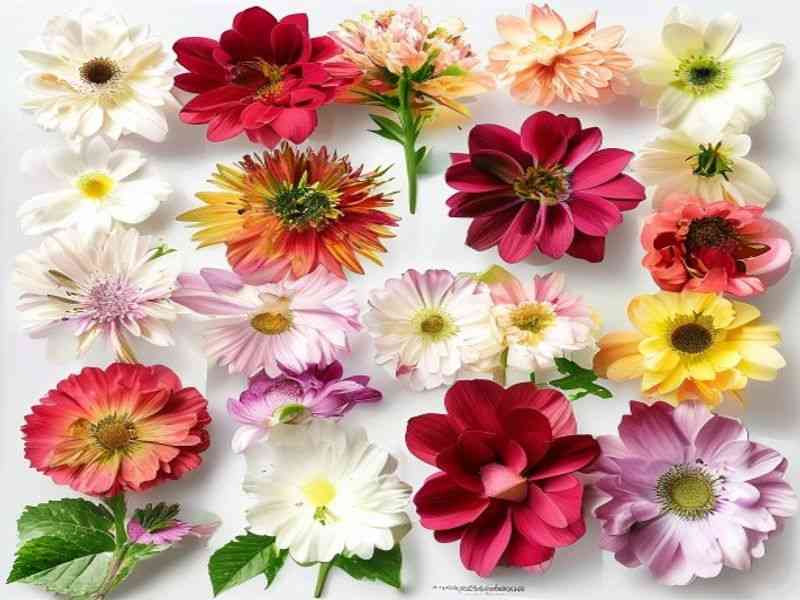
Flowers have spoken the language of the heart for centuries, using colors, shapes, and scents to convey feelings that words sometimes cannot. When you need to express admiration, grief, celebration, or mystery, a well‑chosen metaphor can turn a simple bloom into a powerful message. This article explores 45 Metaphors for Flowers, giving you a ready‑made toolbox of symbolic comparisons that work in poetry, speeches, cards, and everyday conversation. By understanding the deeper meanings behind each metaphor, you can select the perfect flower comparison for any occasion, avoid common pitfalls, and boost the emotional impact of your communication. Whether you are a writer, a marketer, a teacher, or simply someone who loves nature, this guide provides practical tips, real‑world examples, and a clear structure to help you master floral metaphors. We will also show you how to avoid misinterpretations, choose metaphors that match cultural contexts, and integrate them seamlessly into your writing or marketing strategy.
Quick Answer
45 Metaphors for Flowers give you concise, vivid comparisons that instantly convey emotions tied to specific blooms, making your messages clearer and more engaging.
Understanding Metaphors in Flowers
What Is a Metaphor?
A metaphor directly compares two unlike things without using “like” or “as”. It creates an immediate visual link that triggers emotion.
Why Metaphors Matter for Flowers
Flowers naturally symbolize feelings, so a metaphor amplifies that symbolism. Using a metaphor lets you express complex emotions in a single, memorable phrase.
How Metaphors Enhance Communication
Metaphors make language vivid, help listeners picture the intended sentiment, and improve recall. They are especially effective in poetry, marketing copy, and personal notes.
Why Use Metaphors for Flowers
Emotional Impact
Metaphors turn a simple flower description into an emotional punch. A single phrase can evoke love, loss, joy, or mystery.
Versatility Across Contexts
They work in literature, advertising, social media, and everyday conversation. The same metaphor can be adapted to formal speeches or casual texts.
Cultural Resonance
Many cultures already associate certain flowers with specific ideas; a metaphor builds on that shared understanding, making your message instantly relatable.
Thematic Symbolism in Flowers
Love and Romance
Red roses, tulips, and peonies often represent passionate love. Metaphors such as “a red rose is a heartbeat of desire” intensify the message.
Grief and Remembrance
White lilies, chrysanthemums, and poppies convey mourning. A metaphor like “a white lily is a silent prayer” adds depth to condolences.
Celebration and Joy
Sunflowers, daisies, and orchids symbolize happiness and success. Phrases such as “a sunflower is a sunrise of achievement” celebrate milestones.
Mystery and Intrigue
Black roses, night‑blooming jasmine, and dark‑petaled orchids suggest secrecy. Metaphors like “a black rose is a whispered secret” create intrigue.
45 Metaphors for Flowers – Detailed List
- A red rose is a heartbeat of desire.
- A white lily is a silent prayer.
- A sunflower is a sunrise of achievement.
- A black rose is a whispered secret.
- A daisy is a laugh of innocence.
- A tulip is a kiss of spring.
- A peony is a velvet declaration of love.
- A lavender sprig is a calming whisper.
- A daffodil is a golden promise of new beginnings.
- A carnation is a warm hug of affection.
- An iris is a rainbow of insight.
- A hydrangea is a cloud of heartfelt gratitude.
- A lotus is a rising soul from mud.
- A cherry blossom is a fleeting dream.
- A magnolia is an elegant statement of grace.
- A forget‑me‑not is a tiny memory that never fades.
- A peach blossom is a soft sigh of romance.
- A gardenia is a fragrant secret of admiration.
- A poppy is a bold statement of remembrance.
- A marigold is a bright beacon of warmth.
- A hibiscus is a tropical kiss of passion.
- A foxglove is a mysterious invitation.
- A lilac is a gentle whisper of affection.
- A rosebud is a budding love waiting to bloom.
- A wildflower is an untamed burst of freedom.
- A chrysanthemum is a golden crown of respect.
- A tulip is a bright smile of spring.
- A violet is a humble violet of modesty.
- A peony is a luxurious bloom of opulent love.
- A camellia is a refined token of admiration.
- A narcissus is a self‑loving echo of beauty.
- A sunflower is a golden sun that follows the light.
- A lotus is a pure heart emerging from darkness.
- A daisy is a childlike joy that never ages.
- A rose is a classic symbol of love.
- A lily is a pure white promise of purity.
- A tulip is a bold splash of color in life.
- A carnation is a sweet token of gratitude.
- An iris is a spectrum of emotions in one petal.
- A hydrangea is a bouquet of heartfelt thanks.
- A peach blossom is a soft whisper of new love.
- A magnolia is a timeless elegance that never fades.
- A forget‑me‑not is a tiny memory that lasts forever.
- A poppy is a bold reminder of sacrifice.
- A chrysanthemum is a golden tribute to achievement.
How to Use These Metaphors
Pick a metaphor that matches the emotion you want to convey. Match the flower’s color and meaning to the message, and consider the audience’s cultural background. Use the metaphor as a standalone line or weave it into a sentence for maximum impact.
Choosing the Right Metaphor
Match Emotion to Flower
Identify the feeling you need to express. Then select a flower whose traditional symbolism aligns with that feeling. For love, red roses work; for grief, white lilies are appropriate.
Consider Context and Audience
Formal events such as weddings call for elegant metaphors like “a magnolia is an elegant statement of grace”. Casual texts may benefit from simpler images like “a daisy is a laugh of innocence”.
Check Cultural Meanings
Some flowers have different meanings across cultures. A white lily is pure in Western cultures but can signify death in some Asian contexts. Research the target audience’s cultural associations before finalizing your metaphor.
Practical Applications
Writing Poetry and Prose
Use a metaphor to condense emotion into a single image. Example: “Her eyes were a midnight rose, dark and alluring.” This creates vivid imagery without lengthy description.
Marketing and Advertising
Brands use floral metaphors to evoke desire. A perfume ad might say “Our scent is a red rose, igniting passion with every breath.” This links the product to an emotional trigger.
Personal Cards and Messages
Choose a metaphor that matches the occasion. For a birthday, “A sunflower is a sunrise of achievement” celebrates growth. For sympathy, “A white lily is a silent prayer” offers comfort.
Social Media Captions
Short, punchy metaphors increase engagement. “A tulip is a kiss of spring” is concise, visual, and shareable.
Common Mistakes and Troubleshooting
Overgeneralizing Symbolism
Avoid assuming every reader interprets a flower the same way. Personal experiences can shift meaning, so add context when needed.
Using Inappropriate Metaphors
Don’t pair a joyful metaphor with a sorrowful occasion. A “sunflower is a sunrise of achievement” would feel odd in a funeral message.
Neglecting Visual Imagery
Metaphors rely on visual cues. Pair the phrase with a relevant image or description to reinforce the mental picture.
Skipping Cultural Research
Ignoring cultural nuances can cause offense. Always verify that the flower’s symbolism aligns with the audience’s background.
Comparison of Metaphor Types
| Type | Pros | Cons |
|---|---|---|
| Romantic Metaphors | Immediate emotional impact; widely recognized | May feel cliché if overused |
| Condolence Metaphors | Provides comfort; respects solemnity | Risk of sounding too formal or vague |
| Celebration Metaphors | Energetic; boosts morale | Can appear superficial without deeper meaning |
| Mystery Metaphors | Intriguing; sparks curiosity | May require additional explanation |
Best Metaphors for Different Occasions
Weddings
- A rose is a heartbeat of desire.
- A peony is a velvet declaration of love.
- A gardenia is a fragrant secret of admiration.
Funerals
- A white lily is a silent prayer.
- A poppy is a bold reminder of sacrifice.
- A chrysanthemum is a golden tribute to achievement.
Birthdays
- A sunflower is a sunrise of achievement.
- A daisy is a laugh of innocence.
- A tulip is a kiss of spring.
Graduations
- A lotus is a rising soul from mud.
- A daffodil is a golden promise of new beginnings.
- A magnolia is an elegant statement of grace.
FAQs
What is a metaphor for a flower?
A metaphor for a flower directly compares the bloom to an emotion or concept without using “like” or “as”, creating a vivid image.
How many flower metaphors are listed in this article?
This article provides exactly 45 Metaphors for Flowers, each paired with a clear context.
Can I use these metaphors in professional writing?
Yes, they are suitable for marketing copy, speeches, and editorial content when the tone matches the audience.