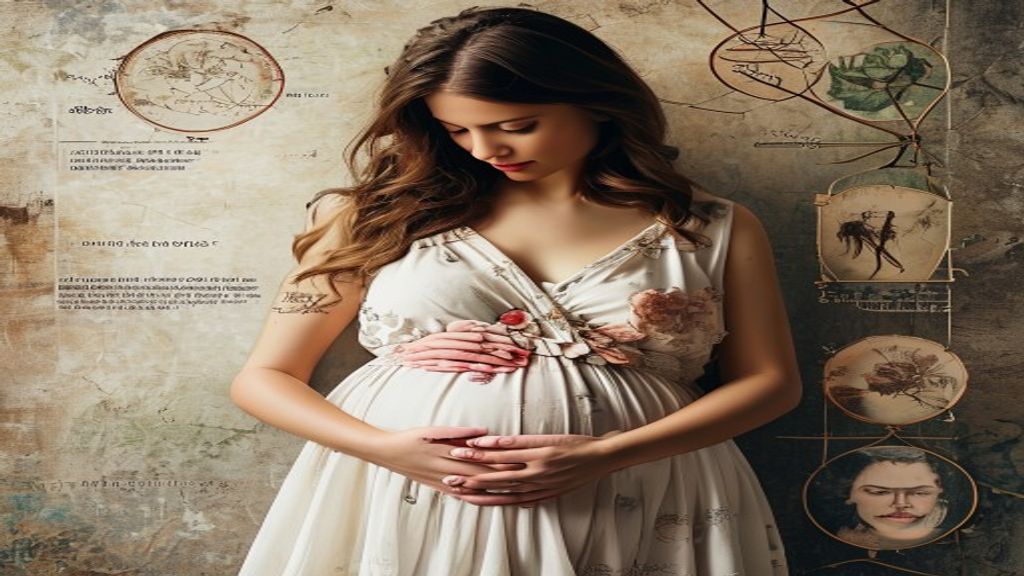
Pregnancy transforms your body, your identity, and your entire worldview in ways that ordinary language often fails to capture. That is why metaphors for pregnancy exist — they bridge the gap between what words can say and what the experience actually feels like. Whether you are writing a birth announcement, journaling your journey, crafting a speech, or simply trying to explain the inexplicable to a partner or friend, the right metaphor can say everything in a single breath.
This guide covers more than 50 metaphors for pregnancy organized by trimester, physical sensation, emotional state, and cultural tradition. You will also learn why certain metaphors resonate, which ones to avoid, and how to choose the perfect comparison for your unique experience.
Quick Answer: What Are Metaphors for Pregnancy?
Metaphors for pregnancy are figurative comparisons that describe the physical, emotional, and spiritual experience of carrying a child without using literal clinical terms. Common examples include comparing the womb to a nest, garden, vessel, cocoon, or home. These metaphors help communicate the depth, beauty, struggle, and mystery of pregnancy in ways that plain language cannot.
- Most common metaphor: “A bun in the oven” (lighthearted, early pregnancy)
- Most poetic metaphor: “A seed planted in fertile soil” (growth, nurturing, potential)
- Most emotionally resonant metaphor: “Building a soul from scratch” (identity transformation)
- Most culturally rooted metaphor: “A sacred vessel” (honor, responsibility, spirituality)
What Are Pregnancy Metaphors and Why Do We Need Them?
Pregnancy is a liminal experience — you exist between two states of being. You are no longer just yourself, but not yet a parent. Language evolves to fill that gap. Metaphors give shape to the formless, name to the nameless, and voice to the voiceless experience of gestating a new life.
The Psychological Function of Pregnancy Metaphors
Metaphors do more than describe. They help you process the experience. When you call your belly a “home,” you reinforce a sense of safety and connection. When you call your growing body a “spaceship,” you inject humor into discomfort. These comparisons shape how you feel about your pregnancy.
- Sense-making: Metaphors help you understand unfamiliar physical sensations by comparing them to familiar experiences.
- Emotional regulation: A comforting metaphor can reduce anxiety about birth and parenting.
- Social bonding: Shared metaphors create community among pregnant people.
- Identity construction: The metaphors you choose reflect how you see yourself as an expectant parent.
Who Uses Pregnancy Metaphors — And Why
Pregnancy metaphors are not just for writers and poets. They are used by healthcare providers to explain fetal development, by partners to express support, by siblings to understand what is happening, and by pregnant people themselves to reclaim narrative control over their changing bodies.
- Expectant parents use metaphors in birth plans and journals.
- Midwives and doulas use metaphors to normalize sensations.
- Children’s book authors use metaphors to explain pregnancy to toddlers.
- Religious and spiritual communities use metaphors to frame pregnancy as sacred.
50+ Essential Metaphors for Pregnancy Organized by Theme
Below you will find the most powerful, resonant, and widely used metaphors for pregnancy. Each one is categorized so you can find exactly what you need based on your current stage, emotion, or purpose.
Metaphors for Early Pregnancy (First Trimester)
The first trimester is defined by invisibility, secrecy, and rapid cellular activity. These metaphors capture the tension between visible normalcy and invisible transformation.
- A secret garden: Something beautiful is growing beneath the surface, hidden from view.
- A spark before the flame: The energy is there, even if the fire is not yet visible.
- Whisper before a song: The earliest hints of what will become a full voice.
- A seed underground: No one sees the growth, but the roots are anchoring deep.
- A silent countdown: The clock has started, even if no one else hears it ticking.
- Ink before the word: The potential is real, but the shape is still forming.
- A tenant who pays no rent: A humorous way to describe early pregnancy symptoms and fatigue.
- A moon before it rises: The pull is already there, even in darkness.
Metaphors for Mid-Pregnancy (Second Trimester)
The second trimester brings visible changes, the first movements, and a growing sense of reality. These metaphors emphasize expansion, connection, and life.
- A ship taking shape in dry dock: Visible progress, still under construction, but unmistakably real.
- A balloon slowly filling with helium: Lightness, buoyancy, gradual expansion.
- A bridge being built between two worlds: You are the connection between pre-birth and post-birth existence.
- A tenant who rearranges the furniture: Kicks, rolls, and movements that make their presence known.
- A garden in full bloom: Energy returns, beauty emerges, everything is alive.
- A lighthouse keeper: You are the steady presence guiding a life toward shore.
- A drum with a heartbeat inside: The rhythm of two lives becomes audible.
- A novel writing itself: Each day brings a new chapter you could not have planned.
Metaphors for Late Pregnancy (Third Trimester)
The third trimester is heavy, imminent, and filled with anticipation. These metaphors honor the weight — literal and figurative — of the final stage.
- A house ready for a guest: The nursery is set, the body is prepared, now you simply wait.
- A ship at full sail: Large, majestic, moving with purpose toward a known destination.
- A clock winding down: Every tick brings you closer to the moment of release.
- A planet in its own orbit: You exist in a gravitational field all your own.
- A cocoon before the emergence: Transformation is complete; the next phase is imminent.
- A bow stretched tight: The tension is purposeful, the arrow is aimed, release is coming.
- A volcano before eruption: Powerful, undeniable, and impossible to contain much longer.
- A suitcase packed to bursting: Everything is ready, and the lid will not stay shut much longer.
- A guest who has overstayed: A humorous metaphor for the discomfort of the final weeks.
Physical Sensation Metaphors for Pregnancy
Pregnancy is a deeply physical experience, and metaphors help describe sensations that medical terms cannot fully capture. These comparisons are especially useful for partners, doulas, and healthcare providers who want to understand what a pregnant person is feeling.
Metaphors for Nausea and Fatigue
- A storm that will not break: The constant queasiness that lingers without relief.
- A battery running on fumes: First-trimester exhaustion that drains every reserve.
- Wading through honey: The slow, heavy feeling of moving through daily tasks.
- A ship in rough seas: The dizziness and nausea that come in waves.
Metaphors for Movement and Kicks
- A butterfly trapped under silk: The early, fluttery movements of quickening.
- A fish swimming in a small bowl: Later movements that feel like rolls and glides.
- A drummer practicing inside: Strong kicks that demand attention.
- A gymnast with limited space: The acrobatic turns and stretches of a third-trimester baby.
Metaphors for Body Changes
- A sculpture being reshaped: Your body is not breaking — it is being remade.
- A landscape shifting: The gradual but unmistakable change in your physical terrain.
- A house with a new room being added: Your body is expanding organically to accommodate growth.
- A rubber band that keeps stretching: Skin, ligaments, and muscles adapting to new limits.
Emotional and Identity Metaphors for Pregnancy
Pregnancy changes who you are, not just what your body can do. These metaphors address the transformation of selfhood that accompanies growing a child.
Metaphors for Identity Transformation
- Learning a new language in your sleep: You are absorbing a new identity without conscious effort.
- A door opening to a room you have never entered: The unknown territory of parenthood approaches.
- Becoming a bridge: You exist to connect your child to the world before they can stand.
- A mirror reflecting a future face: You see yourself becoming someone new through your child.
- A manuscript being rewritten mid-sentence: Your story changes direction without your permission.
Metaphors for Emotional Highs and Lows
- A tide that will not stop turning: The constant flux of emotions during pregnancy.
- A sky full of weather: Joy, fear, hope, and anxiety can exist in the same hour.
- A tightrope over a canyon: The balance between excitement and vulnerability.
- A river running beneath the ground: Deep currents of emotion that are not always visible on the surface.
Cultural and Historical Metaphors for Pregnancy
Every culture has developed its own metaphors for pregnancy. Understanding these traditions adds depth and context to the universal experience of carrying a child.
Traditional and Faith-Based Metaphors
- A sacred vessel: Common in many religious traditions — the body as a holy container for a new soul.
- A blessing carried in the flesh: Pregnancy as a divine gift that manifests physically.
- A promise growing in the dark: Faith-centered metaphors emphasize trust in unseen growth.
- A covenant written on the body: The physical changes of pregnancy as evidence of a sacred agreement.
Historical and Folk Metaphors
- A belly full of moon: An old folk metaphor linking pregnancy to lunar cycles.
- An apple ripening on the branch: A harvest metaphor that emphasizes natural timing and readiness.
- A kettle coming to boil: The anticipation of birth as a process that cannot be rushed.
- A field lying fallow then bearing fruit: The cycle of rest, readiness, and production.
Modern and Scientific Metaphors
- A biological program running its course: Pregnancy as a sophisticated, self-executing process.
- A 3D printer building layer by layer: The precision and complexity of fetal development in modern terms.
- A server hosting another user: Tech-forward metaphor for the physical demands of pregnancy.
- A subscription you cannot cancel: The commitment and inevitability of the nine-month journey.
How to Choose the Right Metaphor for Your Situation
Not every metaphor fits every pregnancy. The best comparison depends on your audience, purpose, and personal experience. Use this guide to select a metaphor that aligns with your needs.
Metaphor Selection by Audience
| Audience | Best Metaphor Style | Example |
|---|---|---|
| Partner or close family | Intimate and emotional | “You are a bridge between our past and our future.” |
| Children or siblings | Simple and visual | “A seed is growing in a special pocket inside Mama.” |
| Healthcare providers | Respectful and empowering | “Your body knows how to do this.” (embodied wisdom metaphor) |
| Social media or announcements | Creative and shareable | “A bun in the oven” or “The best things grow in the dark.” |
| Personal journal | Honest and unfiltered | “A guest who has overstayed” on hard days. |
Best Practices for Using Pregnancy Metaphors
- Ask permission before using metaphors with someone else’s pregnancy. Not everyone wants their experience framed poetically.
- Mix metaphors intentionally. One day may feel like a garden; the next may feel like a storm.
- Avoid metaphors that minimize or trivialize. “Just a bun in the oven” can feel dismissive if someone is struggling.
- Use metaphors to validate, not explain away. A good metaphor says “I see you,” not “this is nothing.”
- Let the pregnant person choose their own metaphors. The most powerful comparisons come from lived experience.
Common Mistakes When Using Pregnancy Metaphors
Even well-intentioned metaphors can miss the mark or cause harm. These guidelines will help you avoid the most common pitfalls.
Mistakes to Avoid
- Overly clinical metaphors: Comparing the womb to a “reproductive container” strips the experience of humanity.
- Overly romantic metaphors that erase struggle: “Glowing” can feel invalidating to someone experiencing severe nausea or depression.
- Metaphors that center the baby at the expense of the parent: Pregnancy is not just a vessel for a child — it is your lived experience.
- One-size-fits-all comparisons: Every pregnancy is different. What resonates for one person may feel alienating to another.
- Metaphors that reinforce harmful stereotypes: Avoid comparisons that pressure people to feel a specific way about their pregnancy.
Frequently Asked Questions About Metaphors for Pregnancy
What is the most common metaphor for pregnancy?
“A bun in the oven” is the most widely recognized metaphor for pregnancy in English-speaking cultures. It is lighthearted, casual, and typically used in early pregnancy before the person is visibly showing.
Why do people use metaphors for pregnancy instead of medical terms?
Medical terms describe biological processes but often fail to capture the emotional, spiritual, and psychological dimensions of pregnancy. Metaphors fill that gap by offering language for what the experience feels like, not just what it is.
What is a good metaphor for pregnancy loss?
Gentle, grief-honoring metaphors for pregnancy loss include “a garden that did not bloom,” “a story that ended too soon,” “a candle that flickered out before it could light the room.” Always let the grieving person choose their own language.
Can I use multiple metaphors throughout my pregnancy?
Absolutely. Many people find that different trimesters, moods, and experiences call for different metaphors. Using multiple metaphors is a sign of rich, honest engagement with your experience.
What is a good metaphor for explaining pregnancy to a toddler?
Simple, concrete metaphors work best: “A tiny seed in Mama’s belly,” “A small fish swimming in a warm pond,” or “A baby bird growing in a nest.” Avoid abstract or complex comparisons.
What metaphors do doulas and midwives commonly use?
Birth workers often use empowering metaphors: “Your body is a wise vessel,” “You are a portal between worlds,” “Birth is a wave you ride, not a fight you win.” These emphasize trust in the birthing person’s innate capabilities.
Are pregnancy metaphors different across cultures?
Yes. Many Indigenous cultures use nature-based metaphors linking pregnancy to the earth and seasons. East Asian traditions often use metaphors of cultivation and harmony. Western cultures lean toward medical and architectural metaphors. Recognizing cultural context deepens your understanding.
What is a good metaphor for the feeling of first movement (quickening)?
Common metaphors for quickening include “a butterfly fluttering under silk,” “a fish brushing against the inside of a bowl,” “a whisper under the skin,” or “a secret tap from the inside.”
How do I find my own personal pregnancy metaphor?
Pay attention to the images and comparisons that naturally arise in your journaling, conversations, or dreams. The best metaphors are not borrowed — they are discovered within your own experience. Write freely and notice which images return again and again.
What metaphors should I avoid during pregnancy?
Avoid metaphors that imply the body is a machine (too cold), that pregnancy is an illness (too negative), or that the pregnant person is passive (too disempowering). Also avoid comparisons that minimize real physical or emotional challenges.
Conclusion: Let Your Metaphor Find You
Pregnancy does not ask for your permission. It reshapes your body, rewrites your identity, and reorders your priorities on its own timeline. The most powerful metaphors for pregnancy are not the ones you force into place — they are the ones that surface naturally when you stop searching and start listening.
If you take away one thing from this guide, let it be this: there is no single correct metaphor for pregnancy. The right comparison is the one that makes you feel seen, understood, and held in the full complexity of what you are experiencing. Whether your pregnancy feels like a garden, a bridge, a song, a storm, or all of the above on different days — that is exactly how it is supposed to be.
Your metaphor is valid because your experience is real. Use the comparisons in this guide as starting points, not destinations. The language that rings most true will come from the quiet places inside you that know exactly what this journey means.