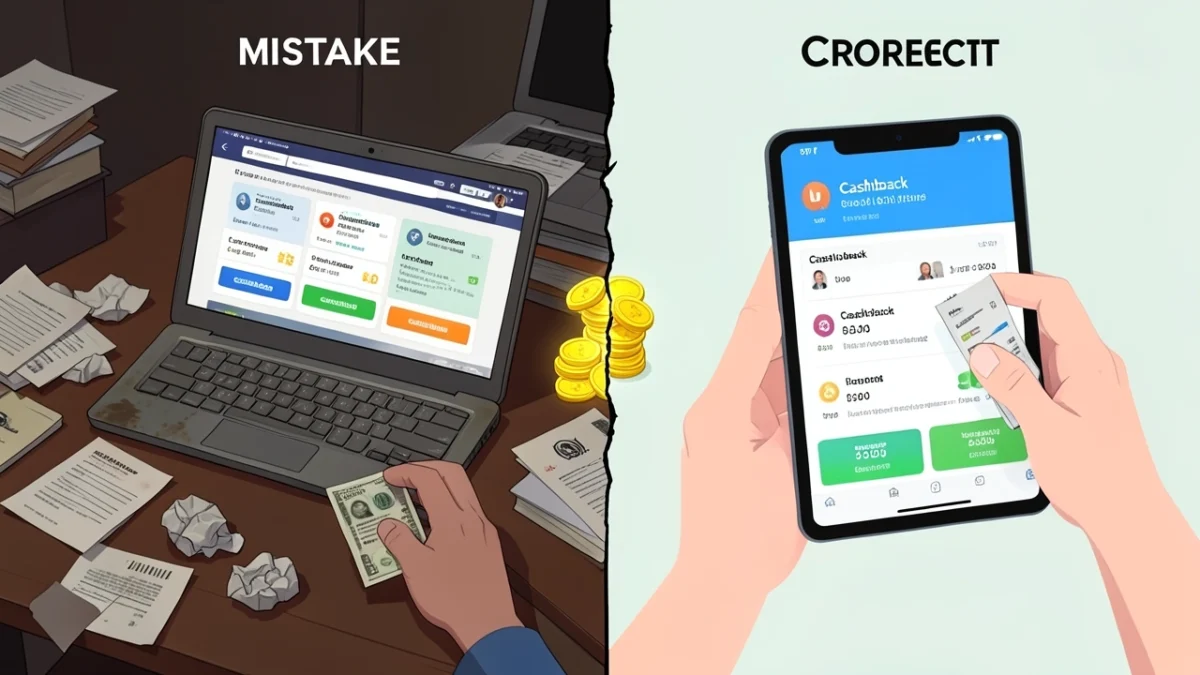
Learning about cashback can be super exciting, but sometimes new people make small slips that can mean they get less money back. These common slips are called Top Beginner Mistakes That Reduce Your Cashback Earnings. It happens because it’s all pretty new, and there’s a lot to remember!
But don’t worry, we’ll walk through this together, step by step, in a way that’s easy to get. We’ll cover what to watch out for next so you can get the most cashback possible.

Understanding How Cashback Works for You
Cashback is a cool way to get a little bit of money back every time you shop online or in stores. It’s like a reward for buying things you were already going to buy. Many apps and websites partner with stores.
When you shop through them, the store pays a small fee to the app or website. A part of that fee is then given back to you as cashback. This is a win-win for everyone involved.
You save money, the store gets more customers, and the cashback service makes money too.
It’s important to know that not all cashback offers are the same. Some might give you a percentage of your total purchase, while others offer a fixed amount. Also, some cashback programs have special rules or limits.
For instance, you might need to spend a certain amount to get the cashback, or the cashback might only apply to specific items. Being aware of these details can help you maximize your earnings and avoid missing out on potential savings. This section will explain the basics so you’re ready for more.
Types of Cashback Programs
There are a few main ways you can earn cashback. The most common are through dedicated cashback apps and websites. These platforms act as a middleman.
You start your shopping trip by clicking a link on their site or app, and then you’re taken to the retailer’s website. When you make a purchase, the cashback platform tracks it and awards you with a portion of the sale.
Another way is through credit card rewards. Many credit cards offer cashback as a perk. You earn a percentage back on every purchase you make with the card.
Some cards offer higher cashback rates for specific spending categories, like groceries or gas. It’s like getting paid to use your credit card, as long as you pay off your balance each month to avoid interest charges.
Some stores also have their own loyalty programs that include cashback. When you shop at these stores frequently, you might earn points or credits that can be redeemed for discounts or actual cashback. These programs are great if you’re a loyal customer of a particular brand or store.
They reward your continued business and make your shopping experience more rewarding.
- Cashback Websites and Apps: These are platforms like Rakuten, TopCashback, and Ibotta. You sign up, find a retailer you want to shop at, click through their link, and then shop as usual. The cashback is then credited to your account.
- Credit Card Cashback: Many credit cards offer a percentage back on purchases. This can be a flat rate on all purchases or higher rates in specific categories like dining, travel, or gas.
- Store Loyalty Programs: Some retailers have their own programs that give you rewards, discounts, or cashback for shopping with them.
These different types of cashback can be used together. For example, you might use a cashback app to shop at a store where you also have a loyalty card. This means you could potentially earn cashback from multiple sources on a single purchase.
This is where careful planning really pays off.
How Cashback is Tracked
Cashback tracking is usually done through a few different methods. The most common is using cookies. When you click a link from a cashback website or app to a retailer, a small file called a cookie is placed on your browser.
This cookie tells the retailer that you came from the cashback service. When you make a purchase, the cookie allows the retailer to report the sale back to the cashback platform.
Another method involves referral links. When you use a unique link provided by a cashback service, it contains a special code that identifies you and the cashback provider. This code is passed along during your purchase.
It helps to ensure that the cashback is correctly attributed to your account.
For in-store purchases, especially those made through apps, QR codes or linking your payment card are often used. You might scan a QR code at the checkout or link your credit/debit card to the cashback app. The app then detects when you make an eligible purchase at a participating store.
It’s really important that these tracking methods work properly. If a cookie is blocked, deleted too soon, or if you click on another link before completing your purchase, the cashback might not be tracked. This is a common reason why some people don’t get the cashback they expect.
Keeping your browser settings permissive for these cookies is a good first step.
Top Beginner Mistakes That Reduce Your Cashback Earnings
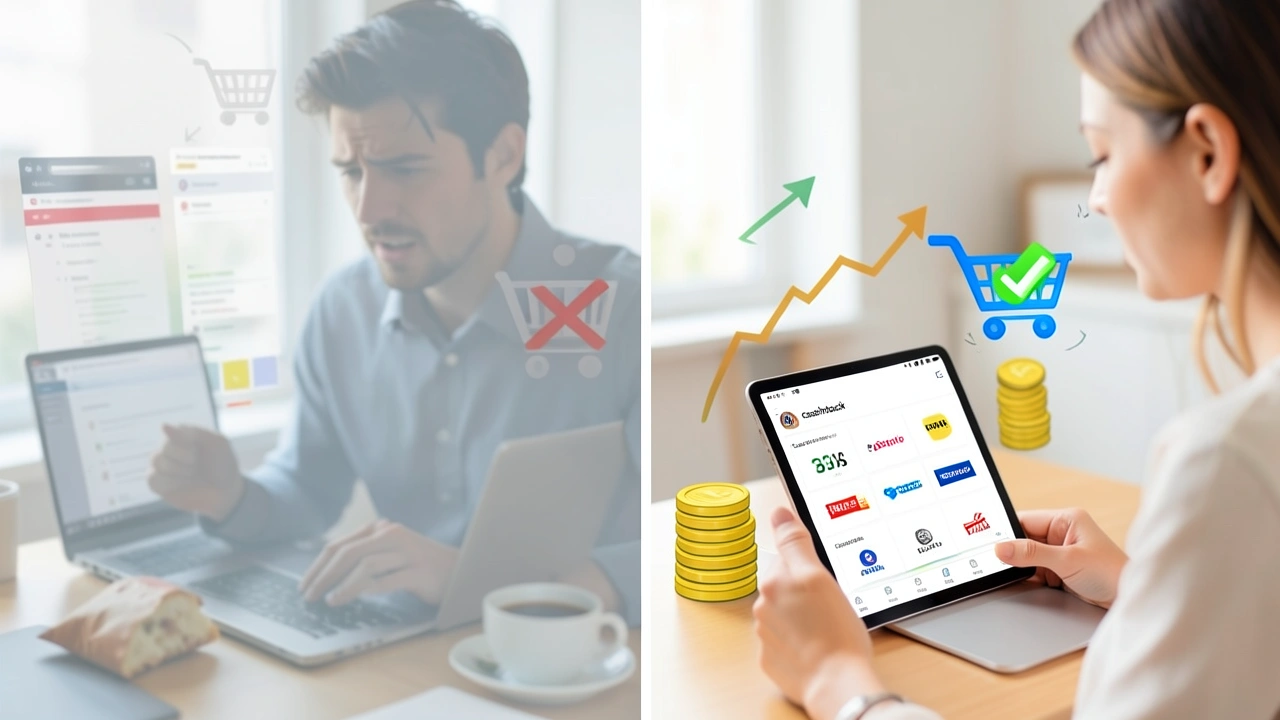
Now we get to the heart of it. Many people starting with cashback run into a few common issues that mean they don’t earn as much as they could. These are the Top Beginner Mistakes That Reduce Your Cashback Earnings, and knowing about them helps you avoid them from the start.
They often come from not knowing how the tracking works or not reading the fine print. But don’t worry, we’ll break them down so you can get the most out of every purchase.
Not Starting Your Shopping Trip Correctly
This is probably the most frequent mistake beginners make. You have to start your shopping session by going through the cashback app or website. Think of it like entering a special door.
If you go directly to the store’s website without using the cashback link, the cashback provider won’t know you’re there. Therefore, they can’t give you any money back.
It sounds simple, but it’s easy to forget, especially if you’re in a hurry or have a favorite store you visit often. You might just type the store’s name into your search bar or click a bookmark. When this happens, the sale isn’t tracked by the cashback service, and you miss out entirely on that cashback opportunity for that purchase.
- Mistake: Going directly to a retailer’s website without first visiting the cashback provider’s app or site.
- Explanation: Cashback services rely on referral links and tracking cookies. If you don’t initiate your shopping session through their platform, they have no way to attribute your purchase to their service. This means no cashback for you.
- Why it happens: Forgetting to start through the cashback platform, especially if you’re a regular shopper at a particular store or are in a rush.
A good habit to build is to always ask yourself, “Did I start this shopping trip through my cashback app?” before you click over to any online store. Keep your cashback apps or favorite cashback websites bookmarked and easily accessible.
Using Coupons Not Provided by the Cashback Site
Many shoppers like to find the best deals, and that often means looking for coupon codes. While finding a great discount is awesome, using coupons that aren’t from the cashback provider can cause a big problem. Retailers and cashback sites have agreements.
If you apply a coupon code that the cashback site doesn’t know about, it can void the cashback for that order.
Retailers often tell the cashback platform if a purchase was made with an “unapproved” coupon. The cashback provider then sees this and may decide not to pay out the cashback. This is because these outside coupons can reduce the profit margin for both the retailer and the cashback company.
- Mistake: Applying coupon codes found on other websites or through email newsletters that are not specifically linked or approved by the cashback platform.
- Explanation: Many cashback offers are invalidated if you use external coupon codes. The retailer’s system flags these as “non-qualifying” purchases from the cashback provider’s perspective.
- Real-life Example: Sarah wanted to buy a new dress and found a 20% off coupon code on a random coupon blog. She applied it at checkout on her favorite online clothing store. She had started her shopping trip through her cashback app, but when the cashback didn’t appear after a few days, she contacted support. They explained that the external coupon code she used canceled out the cashback reward because it wasn’t one they partnered with.
The best practice is to only use coupon codes that are listed directly on the cashback platform’s offer page for that specific retailer. If the cashback site doesn’t mention a coupon, it’s usually safer to skip it. Some cashback sites even offer their own exclusive coupon codes that work perfectly with their cashback offers.
Not Reading the Fine Print and Terms
Every cashback offer has rules, and these are often found in the “terms and conditions” or “details” section. Beginners often skip these, thinking it’s all the same. But these details are super important because they tell you what’s included and what’s not.
For example, some offers might not apply to certain product categories like gift cards, electronics, or sale items. Others might have a minimum spending requirement. If you buy something that’s excluded, or don’t meet the minimum spend, you won’t get cashback even if you followed all other steps correctly.
- Mistake: Ignoring the specific terms and conditions associated with a cashback offer.
- Explanation: Cashback offers often have exclusions for certain product categories (e.g., gift cards, electronics, prescription drugs) or minimum purchase amounts. Failing to check these can lead to disappointment.
- Sample Scenario: You want to buy a new laptop and see a 5% cashback offer. You click through the cashback site and purchase the laptop. However, the terms for that offer state that electronics are excluded from cashback. Your purchase won’t earn any cashback because you didn’t check the specific exclusions for that particular deal.
Taking a moment to read these details can save you a lot of potential frustration. It helps you understand exactly what you’re getting into and prevents surprises when your cashback doesn’t show up.
Forgetting to Activate Cashback Offers
Some cashback programs require you to “activate” an offer before you shop. This is common with apps that offer cashback on in-store purchases or for specific deals. If you don’t tap the button to activate the offer within the app, the purchase might not be recognized for cashback.
This is like getting a ticket for a ride but forgetting to show it at the entrance. The system won’t know you’re eligible. It’s a small step that can make a big difference in whether you actually get your money back.
- Mistake: Failing to “activate” an offer within a cashback app or website before making a purchase.
- Explanation: Many cashback offers, especially for in-store purchases or special promotions, require a manual activation step. This tells the system that you intend to use the cashback for that specific transaction.
- Statistic: According to a survey, roughly 15% of users who abandon cashback offers cite forgetting to activate them as a reason for not earning cashback.
Make it a habit to quickly check if an offer needs activation before you pay. Most apps make this very clear, often with a button that says “Activate Offer” or something similar. A quick tap is all it takes.
Waiting Too Long to Shop for a Specific Offer
Cashback rates can change daily. A store might offer a high percentage of cashback one week, and then lower it the next. Some offers are also seasonal or time-limited.
If you see a great cashback rate, but wait too long to use it, you might miss out on the best deal.
Furthermore, some promotions run for a limited time. If you were planning to buy something but delayed, the offer might expire. It’s similar to a sale at a physical store – once the sale is over, the price goes back up.
Cashback offers often work the same way.
- Mistake: Delaying purchases when a high cashback rate is available, leading to the offer expiring or decreasing.
- Explanation: Cashback rates fluctuate. A high rate offered today might be significantly lower tomorrow, or the promotion might end altogether. Acting promptly on good offers maximizes your earnings.
- Real-life Example: David saw that his favorite electronics store was offering 10% cashback. He thought he would wait until the weekend to buy his new headphones. By the time Saturday rolled around, the offer had dropped to 3%. He still bought the headphones, but he earned much less cashback than he would have if he had bought them on the day he saw the high rate.
When you find a cashback offer that’s particularly good, it’s often wise to make the purchase as soon as possible, provided it’s something you genuinely need or planned to buy. This ensures you lock in the best possible rate.
Not Checking for Multiple Cashback Sources
Sometimes, you can combine different cashback opportunities. For example, a particular store might be offering cashback through a website, and you might also be able to earn cashback through your credit card. Beginners often stick to just one method, missing out on extra earnings.
It’s like getting two discounts instead of just one. By being a little bit strategic, you can layer these rewards. This is a fantastic way to boost your total savings and cashback earnings from a single purchase.
- Mistake: Relying on only one cashback source when multiple can be stacked for greater rewards.
- Explanation: For instance, you can often use a cashback website for an online purchase and also earn cashback from your credit card. Some loyalty programs can also be combined.
- Sample Scenario: You’re buying groceries online. You can go through your cashback app (which partners with grocery delivery services), and then pay with a credit card that offers 3% cashback on groceries. This way, you get cashback from the app and also from your credit card company.
Always check if your credit card offers rewards for the type of purchase you’re making, and if there are any loyalty programs with the store itself. Combining these can lead to significant extra earnings over time.
Not Understanding How to Redeem Your Earnings
Getting cashback is only half the battle. The other half is actually getting the money into your hands! Different cashback platforms have different ways of paying out.
Some might pay via PayPal, others through checks, or direct bank transfer. Some also have minimum payout thresholds.
A common mistake is not knowing these rules. You might earn a few dollars here and there, but if the minimum payout is $20, and you’re only at $15, you won’t be able to cash out your earnings. It’s like filling up a piggy bank but not knowing how to open it.
- Mistake: Not knowing the payout methods and minimum thresholds for a cashback service.
- Explanation: Each cashback platform has its own rules for how and when you can redeem your earnings. Some require you to reach a certain amount before you can cash out, and they offer different payment options like PayPal, check, or direct deposit.
- Statistic: Data shows that a significant portion of unused cashback earnings are due to users not meeting the minimum payout threshold for their preferred redemption method.
Before you start using a new cashback service, take a quick look at their “FAQ” or “Help” section. This will tell you how they pay and how much you need to earn before you can get your money. This knowledge helps you set realistic goals and avoid frustration.
Not Keeping Track of Pending vs. Available Cashback
After you make a purchase, the cashback usually shows up as “pending” in your account. This means it’s been recognized, but the retailer hasn’t confirmed it yet. This waiting period can last for weeks or even months, depending on the retailer’s return policy.
Beginners sometimes get confused by this. They might see cashback in their account and assume it’s ready to be cashed out. When they try to redeem it, they find out it’s still pending.
This confusion can lead to frustration if they don’t realize there’s a confirmation period involved.
- Mistake: Confusing “pending” cashback with “available” or “redeemable” cashback.
- Explanation: Cashback is typically shown as “pending” after a purchase. It needs to be confirmed by the retailer (often after the return period has passed) before it becomes “available” for withdrawal.
- Sample Scenario: You bought a shirt that offered 8% cashback. The cashback appears in your account as pending. A week later, you want to cash out, but the app shows your balance as $0.00 for redemption. This is because the 8% is still pending, waiting for the retailer to confirm the sale and your period to return the item.
It’s good practice to check the status of your cashback regularly. Most platforms will clearly label whether cashback is pending, confirmed, or available for payout. Patience is key during the pending period.
Returning Items Without Considering Cashback
If you decide to return an item you bought using cashback, it’s very likely that the cashback earned on that specific purchase will be reversed. Retailers and cashback platforms work together. If the sale is undone by a return, the cashback deal is also undone.
Mistake happens when someone returns an item but doesn’t realize the cashback will be taken away. They might see their account balance drop unexpectedly. This can be a bit of a shock if you’re not expecting it.
Always remember that cashback is tied to keeping the item.
- Mistake: Returning an item purchased with cashback without understanding that the cashback will be reversed.
- Explanation: When you return a product, the cashback associated with that purchase is usually deducted from your account. This is because the cashback was earned on the condition of the sale being final.
- Real-life Example: Maria bought a pair of shoes through a cashback site, earning $10. She later decided they didn’t fit and returned them to the store. A few days later, she noticed her cashback balance had decreased by $10. She hadn’t realized that returning the shoes would also remove the cashback she had earned on them.
If you’re unsure about an item, it’s sometimes better to wait until the return period has passed before completing the cashback purchase. This way, you’re sure to keep the item and the cashback it earned.
Strategies to Boost Your Cashback Earnings
Now that we know about the common pitfalls, let’s talk about how to actively increase the amount of cashback you earn. It’s not just about avoiding mistakes; it’s about being smart and strategic with your shopping. By using a few key tactics, you can significantly boost your cashback rewards and make your money go further.
These methods are simple to implement and can make a big difference over time.
Choosing the Right Cashback Platforms
Not all cashback platforms are created equal. Some offer higher rates at popular stores, while others might have better deals for specific categories like travel or groceries. It’s wise to sign up for a few different reputable platforms to compare rates.
For example, one platform might offer 5% cashback at a clothing store, while another offers 7% for the same store. By quickly checking multiple platforms before you shop, you can ensure you’re always getting the best possible rate. This small habit can add up to substantial savings over the year.
- Strategy: Sign up for multiple reputable cashback websites and apps.
- Explanation: Different platforms often have varying cashback rates for the same retailers. By comparing rates across several services before making a purchase, you can select the one offering the highest return.
- Comparison Table:
| Retailer | Cashback App A Rate | Cashback App B Rate | Cashback App C Rate |
|---|---|---|---|
| Fashion Store | 5% | 7% | 4% |
| Electronics Shop | 2% | 2% | 3% |
| Home Goods Store | 6% | 4% | 6.5% |
This table shows how a savvy shopper would choose App B for the fashion store and App C for the home goods store to maximize their earnings.
Additionally, consider platforms that offer signup bonuses. These bonuses can give you a nice boost right at the start, making your initial earnings even better. Look for platforms with user-friendly interfaces and reliable payout systems.
Utilizing Browser Extensions
Many cashback providers offer browser extensions. These are small tools that you install on your web browser (like Chrome, Firefox, or Safari). When you visit a retailer’s website, the extension will automatically pop up and let you know if there’s a cashback offer available.
It often has a button to activate it with a single click.
This is a huge time-saver and an excellent way to avoid the mistake of forgetting to start your shopping trip through the cashback provider. The extension basically does the work for you, reminding you to get your cashback. It also often checks for available coupon codes that are approved by the cashback provider.
- Strategy: Install browser extensions from your preferred cashback providers.
- Explanation: These extensions alert you when cashback is available at a retailer you’re visiting and allow you to activate the offer with one click, preventing you from forgetting. They can also automatically find and apply compatible coupon codes.
- Real-life Example: While browsing for new books on Amazon, Emily’s Rakuten browser extension popped up. It showed a 2% cashback offer. She clicked the button to activate it, and Rakuten then tracked her book purchase, automatically adding the cashback to her account without her needing to visit the Rakuten website first.
Having these extensions installed is like having a helpful assistant reminding you to get money back for every eligible purchase. It significantly reduces the chance of making the mistake of shopping without activating cashback.
Taking Advantage of Special Promotions and Bonuses
Cashback platforms frequently run special promotions. These might include increased cashback rates for a limited time, bonus amounts for spending a certain sum, or referral bonuses for bringing new members to the platform.
Paying attention to these offers can lead to significant earnings. For example, a “double cashback day” at a particular store can mean earning twice the usual amount. Similarly, a bonus for spending $50 or more could give you an extra $10 or $20 on top of the regular cashback.
- Strategy: Actively look for and participate in special promotions, holiday sales, and bonus offers.
- Explanation: Cashback providers often run special events, such as increased rates during holidays or bonus rewards for reaching spending targets. These promotions are designed to encourage shopping and offer opportunities for higher earnings.
- Sample Scenario: A cashback app announces a “Cyber Monday” event where all electronics purchases get an extra 5% cashback. If you were already planning to buy a new TV, taking advantage of this promotion means you’d earn a much larger amount of cashback than you normally would.
Signing up for email newsletters from your cashback providers can help you stay informed about these lucrative opportunities. Don’t let these special deals pass you by!
Combining Cashback with Other Rewards
As mentioned before, combining cashback sources is a powerful strategy. This means using cashback apps and websites alongside other reward programs you might have access to.
Think about your credit cards. Many offer rewards, such as a percentage back on purchases, airline miles, or hotel points. If you’re using a cashback website for an online purchase, you can often pay with a credit card that also offers rewards.
This means you’re getting rewarded twice for the same purchase!
- Strategy: Stack cashback offers with credit card rewards and other loyalty programs.
- Explanation: By strategically using cashback sites or apps and paying with a rewards credit card, you can earn rewards from multiple sources on a single transaction. This significantly amplifies your overall savings and earnings.
- Statistic: According to industry reports, households that actively combine cashback offers with credit card rewards can see an average annual increase of 15-20% in their reward earnings.
The key is to ensure that using one reward method doesn’t cancel out another. For example, always check the terms and conditions to make sure using an external coupon code doesn’t void your credit card rewards or cashback. But when done correctly, stacking rewards is a fantastic way to maximize your benefits.
Frequently Asked Questions
Question: How long does it take for cashback to appear in my account?
Answer: It varies quite a bit! Cashback usually starts as “pending” and can take anywhere from a few days to several weeks or even months to become “available” for withdrawal. This waiting period depends on the retailer’s return policy and how quickly they confirm sales with the cashback provider.
Question: Can I get cashback if I return an item?
Answer: Generally, no. If you return an item that you received cashback for, that cashback amount will be deducted from your account. The cashback is usually tied to the final sale of the item.
Question: What happens if my cashback doesn’t track?
Answer: If your cashback doesn’t show up, the first step is to contact the customer support of the cashback platform you used. Be prepared to provide your order number and any other details about your purchase. They can often help you file a missing cashback claim.
Question: Are there any costs to use cashback websites?
Answer: No, most cashback websites and apps are free to use. They make money by receiving a commission from the retailers for sending them customers, and they share a portion of that commission with you.
Question: How can I be sure I’m getting the best cashback rate?
Answer: It’s a good idea to sign up for a few different popular cashback platforms and compare their rates for the retailers you shop at most often. Also, install browser extensions to get alerted when you’re on a retailer’s site.
Summary
Avoiding common issues like not starting through the cashback site or using outside coupons is key. By understanding how cashback tracks, reading the rules, and using smart strategies, you can earn more. Focus on starting right, checking terms, and stacking rewards.
This approach helps you get the most cashback possible and make your shopping dollars work harder for you.