Many people wonder, Is Cashback Legit or a Scam? Complete Beginner’s Guide. It can seem confusing at first because there are so many different ways to get money back on your shopping.
Some deals look too good to be true, making it hard to know what to trust. But don’t worry, it’s not as complicated as it sounds! We’ll break it all down super simply, step by step, so you can start saving money right away.
Stick around, and we’ll show you exactly how it all works and how to make sure you’re getting real cash back.
How Cashback Programs Work
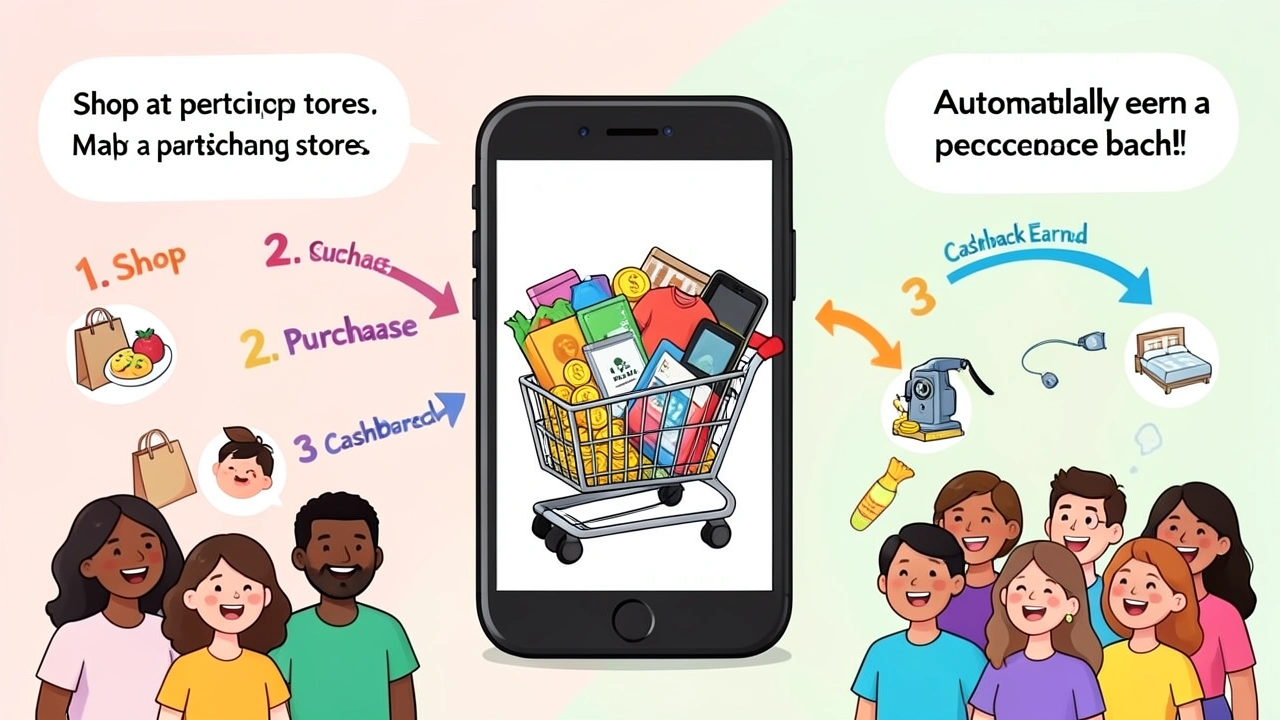
Cashback programs are a popular way to save money on everyday purchases. They work by giving you a small percentage of the money you spend back to you. Think of it like getting a tiny discount after you’ve already paid.
This is usually done through special apps, websites, or credit cards that are partnered with stores. When you shop through these partners, they get a commission from the store, and they share a part of that commission with you as cashback. It’s a win-win for everyone involved.
Businesses get more customers, and shoppers get money back.
Different Types of Cashback
There are several common ways you can earn cashback. Each type has its own way of working and can be good for different situations.
Online Shopping Cashback
This is one of the most popular forms of cashback. You usually start by visiting a cashback website or opening a cashback app. From there, you click through to your favorite online stores, like clothing shops, electronics stores, or even grocery delivery services.
Once you make a purchase on the store’s site, the cashback program tracks it. The store then pays the cashback provider a commission, and the provider shares a portion with you. It’s like a virtual coupon you get after you buy something.
- Browser Extensions: Many cashback sites offer browser extensions. When you visit a store’s website, these extensions will pop up and remind you to activate cashback. This makes it super easy to remember and ensure you get your money back without having to go through the cashback site first.
- Dedicated Apps: Cashback apps are also very common. You can browse deals and shop directly through the app. They often have exclusive offers and make tracking your earnings simple. These are great for people who shop on their phones a lot.
In-Store Cashback
Getting cashback when you shop in person is also possible, though it might work a bit differently. Some apps allow you to link your credit or debit card. When you use that linked card at a participating store, you automatically get cashback.
Other times, you might need to scan your receipt after you make a purchase. This is a great way to save money even when you’re not shopping online.
- Card Linking: This method is very convenient. You link your payment card once, and then every time you use it at a partner store, cashback is applied. You don’t need to do anything extra at the checkout.
- Receipt Scanning: For this type, you’ll need to take a clear photo of your receipt using the cashback app. The app then verifies your purchase, and the cashback is added to your account. It takes a little more effort but opens up cashback for more stores.
Credit Card Cashback Rewards
Many credit cards offer cashback as a reward for using them. Some cards give you a flat percentage back on all purchases, while others offer higher cashback rates in specific spending categories, like groceries or gas. These rewards are usually applied as statement credits, reducing the amount you owe on your credit card bill.
It’s a way to get money back simply by using your card for everyday spending.
- Flat-Rate Cashback: These cards offer a consistent percentage of cashback on every dollar you spend, no matter where you shop. For example, a 2% cashback card means you get $2 back for every $100 you spend.
- Category Bonuses: Other cards give you more cashback for spending in certain areas. This could be 3% on groceries, 5% on gas, and 1% on everything else. These are best if you spend a lot in those bonus categories.
Understanding the Mechanics: How Cashback Providers Make Money
It’s natural to ask how cashback services manage to pay you money. They aren’t just giving it away out of kindness. The core of their business model relies on affiliate marketing and commission structures.
When you click through a cashback website or app to make a purchase, a special tracking link is used. This link tells the retailer that you came from the cashback provider. The retailer then pays the cashback provider a commission for sending you their way.
The cashback provider then shares a portion of this commission with you, the customer. This creates a situation where everyone benefits: the retailer gets a sale, the cashback provider gets paid, and you get money back.
This system is a win-win for businesses. Retailers are happy to pay a commission because they are essentially paying for a guaranteed sale. They only pay when a transaction is successfully completed.
For cashback providers, the more users they have and the more sales they facilitate, the more commissions they earn. This allows them to offer a portion of those earnings back to their users, incentivizing more shopping through their platform.
The percentage of commission can vary widely depending on the retailer and the product. Some industries offer higher commissions than others. Cashback providers negotiate these rates with thousands of different businesses to offer a wide range of shopping options to their users.
This variety is key to keeping customers engaged and shopping frequently through their platform.
Consider a scenario where you want to buy a new laptop online. You find the laptop on the retailer’s website. However, before buying, you visit your favorite cashback site.
You click the link on the cashback site to go to the laptop retailer. The retailer knows you came from the cashback site. Let’s say the retailer pays the cashback site a 5% commission on the sale.
If the laptop costs $1000, the retailer pays the cashback site $50. The cashback site might then give you $20 back as cashback, keeping $30 for themselves to cover their operating costs and make a profit. This model is what makes cashback services sustainable and legitimate.
Commission Structures Explained
The way cashback providers earn money is through commissions. When you shop through their link, the store pays them a percentage of your purchase. This percentage is their commission.
Different stores offer different commission rates.
- Percentage of Sale: This is the most common method. For example, a store might offer 10% commission on all sales referred by a cashback site. If you buy something for $100, the cashback site gets $10.
- Flat Fee per Sale: Some offers might pay a fixed amount for each successful referral, regardless of the purchase amount. For instance, a company might pay $5 for every new customer who signs up and makes a purchase.
- Tiered Commissions: Some programs offer higher commission rates as you spend more or drive more sales. This encourages users and cashback sites to promote their offers more actively.
Affiliate Marketing Partnerships
Cashback is essentially a form of affiliate marketing. Affiliate marketing involves a business partnering with individuals or other businesses to promote its products or services. In return, the partner earns a commission for each sale or lead generated through their promotion.
Cashback platforms act as the affiliate partners for a vast network of online retailers.
- Building Networks: Cashback providers build extensive networks of affiliate partnerships with countless online stores. This allows them to offer a wide variety of shopping categories and brands to their users.
- Tracking and Attribution: Sophisticated tracking technology is used to ensure that sales are correctly attributed to the cashback provider. This involves using unique links and cookies that identify the source of the traffic.
- Building Trust: A reliable cashback provider will clearly disclose its partnerships and how it earns money, fostering trust with its users and ensuring transparency.
The Legitimacy of Cashback: Why It’s Not a Scam
The reason cashback programs are legitimate is that they are transparent about how they make money. They are businesses that facilitate sales for other businesses. You, as the shopper, are part of that deal.
You get a portion of the commission that the retailer pays to the cashback provider.
Think about it this way: if a store offers a sale, they are willing to sell their product for less to attract more customers. Cashback is similar. Retailers are willing to pay a portion of their profit to cashback providers to gain new customers.
The cashback provider then passes some of that money on to you for choosing to shop through them.
The key is that these programs are usually upfront about their terms and conditions. You know that you are supposed to receive a certain percentage back. The only times people might think it’s a scam are when they don’t read the fine print, or when a particular provider is not reputable and fails to pay out.
However, most well-known cashback services are reliable and have been around for years.
Consumer Protection and Trust
Reputable cashback services operate with a degree of consumer protection. They want to build long-term relationships with users, so they generally adhere to fair practices. Many have been in operation for many years and have built a strong reputation for paying out their users reliably.
- Terms and Conditions: Legitimate services will have clear terms and conditions that outline how cashback is earned, when it can be redeemed, and any minimum payout thresholds. Reading these is important to avoid surprises.
- Customer Support: Good cashback providers offer customer support to help resolve any issues that might arise, such as missing cashback or problems with payouts.
- Reviews and Reputation: Checking online reviews and the general reputation of a cashback service can provide insight into its legitimacy and reliability.
Common Misconceptions
Some people mistakenly believe cashback is a scam because they encounter a few bad actors or misunderstand how it works. Perhaps they expect instant cashback, or they don’t realize there might be a waiting period before the cashback is confirmed and payable.
- Waiting Periods: Retailers need to confirm that a purchase is final before paying commissions. This means there’s often a waiting period for your cashback to become “confirmed” and ready to withdraw. This can range from a few days to several weeks, depending on the retailer’s return policy.
- Minimum Payouts: Many services have a minimum amount you need to earn before you can cash out. This is not a scam but a way to manage administrative costs.
- Expired Offers: Sometimes, cashback offers expire or change. It’s important to check the current terms of an offer before making a purchase.
Maximizing Your Cashback Earnings
To get the most out of cashback programs, you need to be strategic. It’s not just about signing up; it’s about using the programs effectively to your advantage. This involves choosing the right platforms, stacking offers, and staying organized.
One of the best ways to maximize your earnings is to compare different cashback platforms before you shop. Often, the same store will offer slightly different cashback rates on different sites. Even a 1-2% difference can add up over time.
Also, look for special bonus offers or higher cashback rates that are often available for a limited time or for new users.
Don’t forget to check for stacked offers. This means combining cashback from multiple sources. For instance, you might use a cashback website for a percentage back, a credit card that offers its own cashback rewards, and perhaps even a store loyalty program that offers points.
This layered approach can significantly boost your savings.
Staying organized is also key. Keep track of where you’re shopping, what cashback rates you’re getting, and when your earnings are expected to be confirmed. This will help you ensure you’re getting all the money you’re owed and that you’re aware of any pending payouts.
Choosing the Right Cashback Platforms
With so many options available, selecting the best cashback platforms is important. Look for platforms that have a good reputation, offer high cashback rates for the stores you frequent, and have reasonable payout options.
- Reputation and Reliability: Stick with well-known and trusted cashback sites and apps. Do some research and read reviews to see what other users say about their experiences.
- Store Selection: Make sure the platforms you choose partner with the stores where you regularly shop. If your favorite stores aren’t listed, that platform won’t be very useful for you.
- Payout Methods and Thresholds: Check how you can receive your cashback (e.g., PayPal, direct deposit, gift cards) and what the minimum amount is for withdrawal. Some platforms offer bonuses for choosing certain payout methods, like gift cards.
Stacking Cashback Offers
Stacking means combining multiple ways to earn cashback on a single purchase. This is a powerful strategy for boosting your savings.
- Cashback Site + Credit Card: Use a cashback website or app to click through to the retailer, and then pay with a cashback credit card. This way, you earn cashback from both sources.
- Manufacturer Rebates + Cashback: Sometimes, a product might have a mail-in rebate offer from the manufacturer, and you can also earn cashback through a shopping portal. Always check the terms of both offers to ensure they can be combined.
- Store Loyalty Programs: Many stores have their own loyalty programs that offer points or discounts. These can often be used in conjunction with cashback offers, providing an additional layer of savings.
Tips for Remembering to Use Cashback
Forgetting to use cashback is one of the biggest reasons people miss out on savings. Here are some ways to make sure you don’t forget:
- Browser Extensions: Install browser extensions from your favorite cashback sites. They will often pop up automatically when you visit a participating online store, reminding you to activate cashback. This is one of the easiest ways to ensure you don’t miss out.
- Phone Reminders/Widgets: If you use cashback apps, consider setting reminders on your phone. Some apps even offer widgets that can be placed on your home screen for quick access and reminders.
- Pre-Shopping Checklist: Before you make any online purchase, get into the habit of asking yourself, “Can I get cashback for this?” A quick check of your go-to cashback sites can save you money.
Is Cashback Legit or a Scam? Real-Life Examples
To truly understand if cashback is legitimate, looking at real-life examples can be very helpful. These scenarios show how people actually use cashback and the benefits they receive.
Example 1: Sarah’s Online Shopping Spree
Sarah wanted to buy new clothes for the summer. She knew she would be spending quite a bit, so she decided to use a popular cashback website. First, she checked which cashback site offered the highest percentage for the online clothing store she liked.
She found one offering 10% cashback.
- Sarah visited the cashback website and clicked the link to the clothing store.
- She then browsed the store and added $200 worth of items to her cart.
- At checkout, she used a credit card that offers 2% cashback on all purchases.
- After her purchase, the cashback website confirmed her 10% cashback ($20) after the return period passed.
- Her credit card gave her 2% cashback ($4) on the $200 purchase.
- In total, Sarah received $24 back on her $200 shopping spree, making her effective spending only $176. This was a great saving without having to find any coupons or deal codes beforehand.
Example 2: Mark’s Grocery Savings
Mark wanted to save money on his weekly groceries. He used a cashback app that allowed him to link his debit card and offered cashback on specific grocery stores.
- Mark downloaded a cashback app and linked his debit card.
- He then activated offers within the app for his usual grocery store.
- He went grocery shopping and spent $150, using his linked debit card at checkout.
- The app automatically detected the purchase at the participating store.
- He received 5% cashback ($7.50) from the app on his grocery bill.
- Mark noticed that by using this app consistently for his groceries, he was saving around $30 a month, which added up significantly over a year.
Example 3: The “Too Good To Be True” Offer
A new user, Alex, saw an offer for 50% cashback on a software subscription for the first month. This seemed extremely high. Alex was cautious and immediately checked the terms and conditions.
- Alex found the offer on a cashback site and clicked through to the software provider.
- He signed up for the subscription and paid the monthly fee.
- The cashback site clearly stated that the 50% cashback would be applied after 30 days, and it was only for the first month’s subscription fee. The regular cashback rate for subsequent months was 10%.
- After 30 days, Alex received his cashback. He understood that this higher rate was an introductory offer to attract new customers to both the software and the cashback site.
- This experience taught Alex that while some offers seem too good to be true, they often are legitimate promotions designed to get you started, with standard rates applying afterwards.
Potential Downsides and How to Avoid Them
While cashback is generally a safe and beneficial way to save money, there are a few potential downsides to be aware of. Understanding these can help you avoid disappointment and ensure a positive experience.
One common issue is the waiting period for cashback to become payable. As mentioned, retailers need to confirm purchases, especially since many offer return periods. If a customer returns an item, the cashback is voided.
This means you might have to wait several weeks, or even a couple of months, for your cashback to be confirmed and ready for withdrawal. It’s important to have patience and not expect instant rewards.
Another potential issue is technical glitches. Sometimes, a cashback transaction might not be tracked correctly. This could be due to browser settings, using a VPN that interferes with tracking cookies, or simply a system error.
If this happens, it’s important to know how to contact the cashback provider’s customer support. Most reputable services have a process for investigating and resolving missing cashback claims.
Finally, some less reputable cashback providers might have hidden fees, difficult payout processes, or even fail to pay out altogether. This is where researching the provider’s reputation before signing up is crucial. Always stick to well-established platforms with a history of paying their users reliably.
Delayed Payouts and Confirmation Times
The most common “downside” is that you don’t get your money instantly. Retailers have return policies, and cashback providers wait for that period to pass to make sure the sale is final. This confirmation process can take a while.
- Retailer Return Policies: Most stores allow returns within 30 to 90 days. Cashback is typically confirmed only after this period has passed. This ensures the retailer doesn’t pay a commission on a returned item.
- Processing Times: Even after confirmation, there can be additional processing time by the cashback provider before your earnings are available for withdrawal. This can add another week or two to the total wait time.
- Impact on Budgeting: If you were counting on immediate cashback for a specific purchase, the delay might be frustrating. It’s best to view cashback as a bonus saving that you receive later, rather than immediate cash.
Technical Glitches and Missing Transactions
Occasionally, technology doesn’t work perfectly. Your cashback transaction might not be recorded by the provider.
- Tracking Issues: Sometimes, using ad blockers, clearing cookies too often, or switching browsers mid-shop can prevent the cashback from being tracked. Always ensure your browser is set up to accept cookies and try to complete your shopping session without interruptions.
- Filing a Missing Claim: If you’re sure you followed all the steps and your cashback is missing, most services have a form or process for filing a “missing transaction” claim. You’ll usually need to provide proof of purchase, like an order confirmation email.
- Customer Support: A good cashback provider will have responsive customer support that can help investigate and resolve these issues. Promptly reporting a missing transaction is key.
Unreliable Providers and Fraudulent Schemes
While most cashback services are legitimate, some less reputable ones exist. These might have confusing terms, hidden fees, or may not pay out at all.
- Due Diligence: Always research a cashback provider before signing up. Look for user reviews, check their social media presence, and see how long they’ve been operating.
- Beware of “Too Good to Be True”: Extremely high cashback rates that seem unrealistic, especially for many products or over long periods, could be a red flag. Legitimate offers are usually more modest.
- Privacy Policies: Ensure the provider has a clear privacy policy outlining how they use your data. Never share excessive personal information beyond what’s necessary for the cashback service.
Is Cashback Legit or a Scam? Beginner’s Summary
To wrap up the question, Is Cashback Legit or a Scam? Complete Beginner’s Guide shows it’s very much real. These programs are a valid way to save money by getting a portion of your spending back.
They work through affiliate marketing, where stores pay providers for bringing them customers. You then get a cut of that payment. By choosing reliable platforms and understanding the process, you can easily earn extra cash on your shopping.
Start simple, compare your options, and enjoy the savings!
Frequently Asked Questions
Question: Can I get cashback on any purchase?
Answer: Not on every single purchase. Cashback is usually tied to specific stores or product categories. You need to shop through a cashback portal or use a specific card or app that partners with the retailer.
Question: How long does it take to get my cashback money?
Answer: It varies. Typically, there’s a waiting period for the retailer to confirm the purchase (often after the return window closes), which can be weeks or even a couple of months. Then, there’s processing time before you can withdraw it.
Question: Do I need to spend a lot to get cashback?
Answer: No, you can earn cashback on small purchases too. However, many services have a minimum payout amount. So, while you earn small amounts, you’ll need to reach that minimum before you can cash out.
Question: Can I use cashback sites with coupons?
Answer: Usually, yes, but be careful. Some cashback offers work best when you don’t use other discount codes. Always check the terms and conditions of the cashback offer to see if it can be combined with coupons or other promotions.
Question: Is cashback the same as a discount?
Answer: It’s similar to a discount but works differently. A discount is applied before you pay. Cashback is money you get back after you have paid, usually as a percentage of your purchase amount.