Have you ever wondered how those websites that give you money back on your purchases actually work? It might seem a little strange, right? You shop, they give you cash, and it feels like you’re getting something for nothing.
But there’s a smart way these sites operate, and knowing How Cashback Sites Make Money (And Why It’s Free for You) is simpler than you think. This guide will break it all down, step by step, so you can feel confident using them. We’ll start with the basics and build up your knowledge.
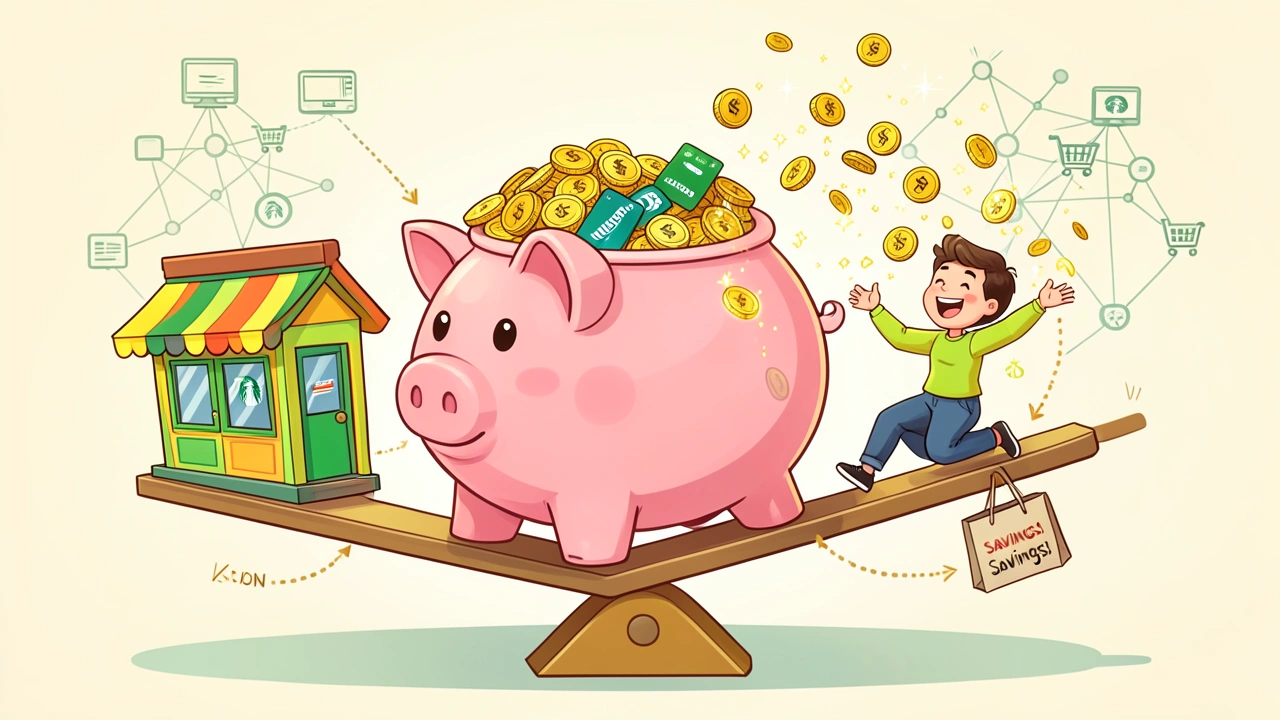
Understanding How Cashback Sites Make Money (And Why It’s Free for You)
This section explains the core business model behind cashback sites. You’ll learn how these platforms act as a middleman between shoppers and online stores, earning commissions for driving sales. We will break down the main ways these sites generate income, making it clear why the service remains free for consumers.
The Affiliate Marketing Connection
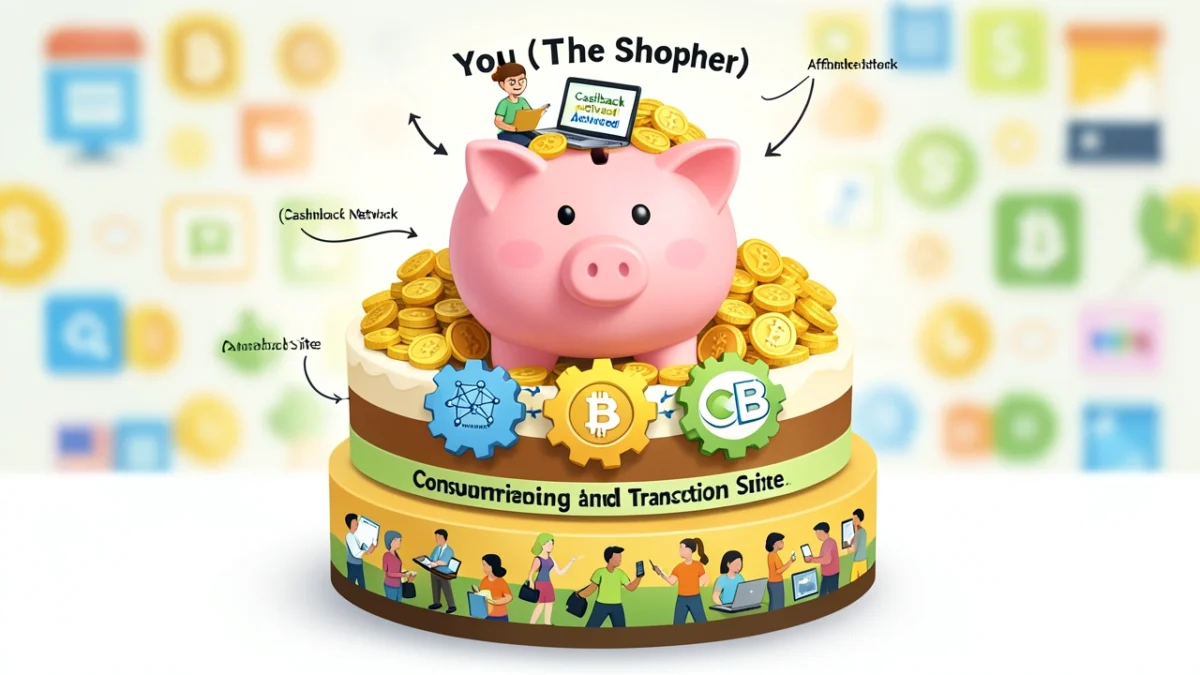
At its heart, a cashback site operates on a principle called affiliate marketing. Think of it like this: an online store wants more people to buy their stuff. So, they partner with other websites, like cashback sites, and say, “If you send us a customer who buys something, we’ll give you a small thank-you payment.” This payment is usually a percentage of the sale amount.
The cashback site’s job is to get you, the shopper, to click on their link to go to that store. When you make a purchase after clicking that link, the store knows the cashback site sent you. Then, the store pays the commission to the cashback site.
It’s a win-win-win situation: the store gets a sale, the cashback site earns money, and you get a portion of that money back as a reward for shopping through their link.
What is Affiliate Marketing?
Affiliate marketing is a performance-based marketing strategy where a business rewards one or more affiliates for each visitor or customer brought by the affiliate’s own marketing efforts. The “affiliate” is typically a website, blogger, influencer, or even an individual who promotes products or services. They use unique tracking links to identify which sales or leads originated from their promotion.
When someone clicks on an affiliate’s link and completes a desired action (like making a purchase, signing up for a newsletter, or filling out a form), the affiliate earns a commission. This commission structure is what makes affiliate marketing so attractive to businesses, as they only pay for results. It’s a cost-effective way for companies to reach new audiences and increase sales without large upfront advertising costs.
The core elements of affiliate marketing include the merchant (the company selling the product), the affiliate (the promoter), the consumer (the buyer), and the affiliate network or platform (which often handles tracking and payments). For cashback sites, the cashback site is the affiliate, and the online retailer is the merchant. The consumer is you, and the platform is the cashback website itself.
This model is incredibly popular because it aligns incentives. Businesses want more sales, and affiliates want to earn money by promoting products they believe in or can drive traffic to. Consumers benefit by getting rewards, such as discounts or cash back, for their purchases.
Example: Imagine a popular online clothing store partners with a cashback site. The store offers a 5% commission for every sale generated through the cashback site. If you click a link on the cashback site to the clothing store and buy a jacket for $100, the store pays the cashback site $5 (5% of $100).
The cashback site then gives you a portion of that $5, perhaps $3, as cashback.
- Driving Sales to Retailers: Cashback sites act as powerful advertising partners for online stores. By offering incentives like cash back, they encourage shoppers to make purchases they might not have otherwise. This directly translates into increased revenue for the retailers.
- Referral Fees from Merchants: The primary revenue stream for cashback platforms comes from these referral fees or commissions. When you click through a cashback site to make a purchase, the merchant pays the cashback site a percentage of your total spending. This is the core mechanism that allows them to operate.
- Advertising Revenue: Beyond affiliate commissions, many cashback sites also generate income through displaying advertisements on their platforms. These ads can be for other retailers, financial products, or various services that align with their user base.
Retailers understand that advertising can be expensive and doesn’t always guarantee a sale. Affiliate marketing, on the other hand, is pay-for-performance. When a cashback site directs a customer who then buys something, the retailer has achieved a confirmed sale.
They are willing to pay a commission because they’ve effectively bought a customer. This makes cashback sites a valuable asset for any online business looking to boost its sales figures.
This commission is usually pre-arranged between the cashback site and the merchant. The percentage can vary greatly depending on the retailer, the product category, and the volume of sales the cashback site is expected to generate. Some common commission rates might range from 1% for electronics to 10% or more for certain clothing or beauty products.
The cashback site then uses this commission money to pay you back a portion, keeping the rest as profit to cover their operational costs and make money. It’s a sustainable model as long as the commission they receive is higher than the percentage they pay out to users.
These advertisements function much like those you see on any other website. Advertisers pay the cashback site to have their banners, pop-ups, or sponsored content displayed. The more traffic a cashback site receives, the more attractive it is to advertisers, and the higher the advertising revenue can be.
This dual income stream helps to ensure the financial stability of the cashback platform.
Sometimes, these ads might even offer exclusive deals or discounts that complement the cashback offers, providing additional value to the user. The presence of ads is often a clear indicator that a site is trying to monetize its audience through multiple channels.
How You Benefit: The “Free” Aspect
For you, the shopper, using a cashback site is essentially free because the money you receive back comes from the commission the merchant pays to the cashback site. You aren’t paying an extra fee to the cashback site for its service. Instead, you are getting a reward for doing something you were going to do anyway: shopping online.
It’s like getting a small discount after you’ve already agreed on a price. The cashback site has already been compensated by the store. So, when they pass a portion of that commission back to you, they are essentially sharing their earnings with you, the customer who helped them earn it in the first place.
This direct sharing of profits is why it feels like you are getting money for free.
The User’s Perspective: No Extra Cost
The beauty of cashback sites for users is the apparent lack of any direct cost. You sign up, browse through the available offers, click on a link to a store, and make a purchase as you normally would. There’s no membership fee to use most popular cashback platforms, and you don’t pay more for the items you buy.
The cashback amount is typically a percentage of your purchase total after any discounts and before shipping and taxes. For instance, if you buy a $100 item that qualifies for 5% cashback, you’ll receive $5 back. This money is usually credited to your account on the cashback site and can be withdrawn once it reaches a certain threshold, often $10 or $25.
Think of it as a rebate program built into the shopping process. The cashback site handles the tracking and claiming of the rebate on your behalf, earning a commission in the process. Your only “effort” is clicking their link and then shopping, which is a very low barrier to entry for earning money back on your spending.
This seamless integration means you can maximize your savings without changing your shopping habits drastically. It encourages smart shopping, where you look for deals and opportunities to get more value from your money.
- Shared Commissions: The core reason it’s free for you is that the cashback site shares its earnings with you. The merchant pays the site a commission for sending you their way, and the site gives you a cut of that commission.
- Building Customer Loyalty: For cashback sites, offering free cash back is a strategy to build a loyal user base. When users regularly earn money on their purchases, they are more likely to return to that specific cashback site for future shopping needs.
- Incentivizing Purchases: The offer of cashback acts as a powerful incentive for consumers to complete a purchase. Knowing that a portion of the money spent will be returned can be the deciding factor in whether someone buys a product or service.
This sharing mechanism is fundamental to the cashback model. Without it, the cashback site would simply keep the entire commission, and you would see no benefit. By sharing, they incentivize you to use their platform, which in turn drives more traffic and sales to the merchants, creating a perpetual cycle of earning and rewarding.
The amount you receive back varies based on the retailer and the specific offer. Some might offer 1% cashback, while others could provide 10% or even more for special promotions. This variability means that strategic use of cashback sites can lead to significant savings over time.
This loyalty is invaluable for the cashback platform. It means a consistent stream of traffic going to their partner retailers, which in turn ensures continued commission payments. The more frequently you use a cashback site, the more you save, and the more likely you are to recommend it to friends and family, further expanding the platform’s reach.
This strategy creates a powerful network effect. As more users join and shop, the cashback site becomes more attractive to both consumers and merchants. Merchants are eager to partner with platforms that can guarantee a steady flow of engaged customers, and consumers are drawn to platforms that offer tangible financial benefits.
This is particularly effective for larger purchases. For example, if you’re considering buying a new laptop for $1000 and a cashback site offers 5% back, that’s $50 you get back. This immediate reward can make the purchase feel more palatable and encourage faster decision-making.
Retailers benefit from this push, as it helps convert browsing shoppers into paying customers. For the cashback site, it means more completed transactions, leading to more commissions and more money to share with users. It’s a cycle that benefits everyone involved.
Popular Cashback Site Models and How They Operate
Different cashback sites might have slightly different approaches, but their fundamental goal remains the same: to connect shoppers with retailers and earn a commission. We will explore the common ways these sites function and how they manage your earnings.
Direct Cashback Websites
These are the most common type of cashback sites. You visit their website, search for a store you want to shop at, and click through their special link to reach the retailer’s site. Once you make a purchase, the cashback site tracks it and credits your account.
The tracking process is usually done through browser cookies or by the retailer passing a unique code to the cashback site when a sale is completed. These sites often have partnerships with hundreds or even thousands of online retailers across various categories like clothing, electronics, travel, and groceries.
The Click-Through Process
The user experience on a direct cashback website is designed to be straightforward. First, you typically need to register for a free account. Once logged in, you can access a directory of partnered stores.
These stores are often organized by category or popularity, making it easy to find your favorites.
When you find a store you want to shop from, you click on its link on the cashback site. This action is crucial. It tells the retailer that you were referred by the cashback platform.
Often, a browser cookie is placed on your device to maintain this connection for a specific period, usually 24 to 48 hours, or longer if specified in the terms.
After clicking through, you shop on the retailer’s website as usual. When you complete your purchase, the retailer’s system records that the sale originated from the cashback site. This information is then communicated back to the cashback platform, often through an automated system that shares sales data.
The cashback site then verifies the purchase (to ensure it wasn’t returned) and credits your account with the agreed-upon cashback amount.
The credited amount might take some time to appear, as it needs to be confirmed by the retailer, which can take anywhere from a few days to a few weeks, especially if the purchase is eligible for returns. Once confirmed, the balance grows in your cashback account.
- Website Navigation: Users browse a list of available retailers on the cashback site’s platform.
- Clicking the Referral Link: You click a unique link provided by the cashback site to visit the online store.
- Making a Purchase: You shop and complete your transaction on the retailer’s website.
- Cashback Confirmation: The cashback site receives confirmation of your purchase and credits your account.
The layout of most cashback websites is designed for ease of use. You’ll find a search bar to quickly find specific stores and categories to explore. Many also feature “top deals” or “trending offers” prominently, helping users discover new savings opportunities.
The visual presentation usually includes the store’s logo and the percentage of cashback offered, making it easy to compare options at a glance.
This click is the essential step that triggers the tracking mechanism. Without clicking through the cashback site’s link, the retailer won’t know to credit the cashback platform for your purchase, and therefore, you won’t receive any cash back. It’s like using a special coupon code that is automatically applied when you start your shopping session from their portal.
The transaction itself is handled entirely by the retailer. The cashback site has no involvement in the payment process or the delivery of goods. Its role is purely as a referrer and a tracking agent.
This separation ensures a smooth shopping experience for the consumer, allowing them to focus on finding the products they need.
This confirmation process can take time, as retailers often have a waiting period to account for potential returns or order cancellations. Once the sale is deemed final, the cashback amount is added to your account balance, usually pending for a short period before becoming withdrawable. This pending period is a standard practice to ensure the transaction is legitimate.
Browser Extensions and Apps
Many cashback sites offer browser extensions or mobile apps. These tools automatically alert you when you visit a website that offers cashback, or they can apply coupon codes automatically. This makes using cashback even more convenient.
For example, if you’re browsing on Amazon, a browser extension might pop up and say, “You can get 3% cashback on this purchase!” You then click a button to activate the cashback, and it’s applied to your order without you having to visit the cashback site first.
Automated Savings Features
Browser extensions and mobile apps are designed to remove friction from the cashback process. Once installed, they work in the background, scanning the website you are currently viewing. If that website is a partner of the cashback service, the extension will typically display a notification.
This notification might be a small banner at the top of your screen or a pop-up window. It will usually state the percentage of cashback available and provide a button to “Activate Cashback” or “Shop Now.” Clicking this button ensures that your shopping session is tracked correctly, even though you are already on the retailer’s site.
Some advanced extensions can even automatically test and apply available coupon codes at checkout, finding the best discounts for you without any manual effort. This dual functionality of finding cashback opportunities and applying coupons makes these tools incredibly valuable for maximizing savings. The convenience factor is immense, as you don’t need to remember to visit a specific website before every purchase.
The technology behind these extensions involves sophisticated algorithms that match website URLs with their database of partner retailers and associated cashback rates. They also manage browser cookies and referral links to ensure accurate tracking of your transactions.
- Automatic Notifications: Extensions alert you when cashback is available on a site you’re visiting.
- One-Click Activation: You can activate cashback with a single click directly from the notification.
- Auto-Applied Coupons: Some extensions can find and apply the best available discount codes for you.
This feature is a lifesaver for forgetful shoppers. Instead of having to remember to check a cashback site before every online purchase, the browser extension does it for you. It proactively reminds you of potential savings, turning a routine shopping trip into an opportunity to earn money back.
The notifications are designed to be non-intrusive, appearing only when relevant. This ensures that your browsing experience is not disrupted. When a notification pops up, it provides immediate clarity on how much you can save, making the decision to activate cashback a quick and easy one.
This simple interaction streamlines the process significantly. You don’t need to navigate away from the retailer’s site or log into your cashback account. A quick click is all it takes to ensure your purchase will be eligible for cashback.
This ease of use encourages more people to utilize cashback services regularly.
The underlying mechanism involves the extension dynamically adding the necessary tracking parameters to your browsing session or initiating a new tracked session. It’s a seamless integration that happens in the background, making the user experience feel almost magical.
This feature takes savings to another level. Instead of you searching multiple coupon sites for codes, the extension does the legwork. It tests various codes at checkout and automatically applies the one that provides the biggest discount.
This saves time and money, especially for shoppers who frequently use discount codes.
The effectiveness of this feature depends on the extension’s database of coupons and its ability to integrate with checkout systems. However, when it works, it’s a powerful tool for reducing the final cost of your purchases, further enhancing the value proposition of cashback sites.
Mobile Apps for Shopping on the Go
For those who do most of their shopping on smartphones or tablets, dedicated mobile apps from cashback sites offer a similar experience. These apps allow you to browse offers, click through to stores, and manage your earnings directly from your mobile device.
Many apps also integrate with mobile payment options and can send push notifications for special deals or when your cashback balance is ready for withdrawal. This ensures you never miss an opportunity to save, no matter where you are.
Convenience and Portability
Mobile apps bring the power of cashback directly into your pocket. They are designed with mobile users in mind, offering intuitive interfaces that are easy to navigate on smaller screens. This portability means you can discover deals and activate cashback while commuting, waiting in line, or relaxing at home.
The app often acts as a hub for all your cashback activities. You can search for stores, view current cashback rates, read user reviews of deals, and track your pending and confirmed earnings. Many apps also include features like barcode scanners, which can be used in physical stores to check if an item is available online with a better cashback offer.
Push notifications are a key feature of these apps. They can alert you to limited-time sales, new store partnerships, or when you’ve reached the minimum payout threshold. This proactive communication helps users stay engaged and maximize their savings opportunities.
Some apps even integrate with loyalty programs from retailers, allowing you to manage multiple forms of rewards in one place.
- Mobile-First Experience: Apps are optimized for smartphones and tablets, making shopping on the go easy.
- Real-time Notifications: Get alerts for new deals, expiring offers, or when your earnings are ready.
- Link to Stores and Track Purchases: The app allows you to click through to retailer websites and tracks your transactions automatically.
The design focuses on touch-friendly navigation and clear presentation of information. This ensures that users can quickly find what they need without frustration. Whether you’re looking for a specific store or browsing for inspiration, the app provides a smooth and efficient experience.
These timely alerts are crucial for capitalizing on fleeting opportunities. A flash sale announced through a push notification can prompt an immediate purchase, leading to significant savings. Similarly, knowing when your cashback is available for withdrawal allows you to manage your money effectively.
This seamless integration means you can initiate your shopping journey directly from the app. Once you make a purchase, the app communicates with the cashback platform to ensure your transaction is recorded. This automated process removes the risk of forgetting to activate cashback, as it’s all managed within the app’s ecosystem.
Maximizing Your Cashback Earnings
Now that you understand how cashback sites make money, let’s talk about how you can make the most of them. It’s not just about signing up; it’s about being smart with your choices.
Strategic Shopping Habits
The best way to maximize cashback is to make it a habit to check cashback sites before you buy anything online. Even for small purchases, the accumulated savings can add up over time. Think of it as a bonus discount you get for being a savvy shopper.
Also, compare cashback rates across different sites if possible. Some popular stores might be featured on multiple platforms, and one site might offer a slightly higher percentage than another. It only takes a few extra seconds to check, and it can lead to more money in your pocket.
Comparing Rates and Offers
Different cashback platforms often partner with the same retailers but may offer varying commission rates. This is why it’s a good practice to compare. For example, if you’re planning to buy a new laptop from Best Buy, you might check sites like Rakuten, TopCashback, and Honey to see who is offering the highest percentage back on that particular purchase.
Some sites specialize in certain categories, offering higher rates for travel bookings, while others might excel in fashion or electronics. Many cashback sites also have special “boosted” offers that run for a limited time, providing even higher cashback percentages. Staying updated on these promotions can significantly boost your earnings.
Beyond the base cashback rate, consider any welcome bonuses or referral rewards offered by the sites. These can provide an initial boost to your earnings when you first sign up or when you successfully refer a friend.
- Always Check First: Before buying online, habitually check your preferred cashback site for the retailer.
- Compare Cashback Percentages: If a retailer is listed on multiple cashback sites, compare the rates.
- Look for Bonuses and Promotions: Take advantage of special offers, sign-up bonuses, and temporary rate increases.
This simple habit can be the most effective way to ensure you never miss out on potential savings. It transforms the act of shopping into an opportunity for earning. Even if the cashback rate is low, it’s still money you wouldn’t have otherwise received.
This comparison allows you to select the platform that offers the best return for that specific purchase. Many websites and browser extensions are emerging that help aggregate cashback rates from various sources, simplifying this comparison process.
These promotional periods are designed to attract new users or encourage existing users to shop more. By actively seeking out and participating in these offers, you can significantly increase your overall cashback earnings over time.
Utilizing Multiple Cashback Sites
There’s no rule that says you can only use one cashback site. Many savvy shoppers sign up for a few different platforms to ensure they always get the best possible rate. Each site might have exclusive deals or better percentages for different retailers.
By diversifying your cashback accounts, you increase your chances of snagging higher payouts. Just remember to keep track of your accounts and payouts to avoid missing out on your earnings.
Diversifying Your Savings Strategy
Using multiple cashback sites is a smart strategy because no single platform consistently offers the best rates for every store. Retailers negotiate different commission agreements with various cashback providers. This means one site might offer 5% cashback at Store A, while another offers 7% at the same store.
By signing up for a few of the most popular and reliable cashback sites, you create a network of savings opportunities. When you intend to shop at a particular online store, you can quickly check which of your registered cashback sites is offering the highest rate. This approach maximizes your returns without requiring much extra effort.
However, it’s important to manage these multiple accounts effectively. Keep a list of your usernames, passwords, and payout thresholds. Regularly check each account for pending earnings and process withdrawals to avoid losing money due to inactivity or forgotten accounts.
- Coverage for More Stores: Different sites partner with different retailers, so using more sites expands your options.
- Access to Better Rates: You can pick the site with the highest percentage for a specific store.
- Taking Advantage of Sign-Up Bonuses: Many sites offer attractive bonuses for new members, which can be an immediate boost to your earnings.
This broad coverage ensures that almost every online purchase you make can potentially earn you cashback. If you stick to just one site, you might miss out on savings opportunities at stores that are not partnered with your chosen platform.
This ability to choose the best rate is a key advantage of a multi-site strategy. It allows you to optimize your earnings for each individual purchase, leading to a greater overall accumulation of cashback over time. It’s like having multiple coupon books and choosing the best coupon for each shopping trip.
By signing up for several sites, you can potentially claim multiple sign-up bonuses. These bonuses are often triggered by making a first qualifying purchase, making them an excellent way to kickstart your cashback journey and see tangible results early on.
Understanding Payout Thresholds and Methods
Each cashback site has a minimum amount you need to earn before you can cash out your money. This is called the payout threshold. Some sites have low thresholds, like $5 or $10, while others might be $25 or more.
They also offer different ways to receive your money, like PayPal, direct deposit, or gift cards.
It’s important to be aware of these thresholds and methods. If a site has a very high threshold, it might take a long time to reach it, which can be frustrating. Also, consider which payout method is most convenient for you.
Managing Your Earnings
Payout thresholds are a crucial aspect of the cashback experience. They are set by the cashback sites to manage their operational costs and cash flow. A common threshold is $10 or $25, but some sites may allow you to cash out as little as $1 or $5.
Knowing this information helps you set realistic expectations for when you can access your earned money.
The methods of payout also vary. PayPal is a popular choice for its ease of use and wide acceptance. Direct deposit to a bank account is another common option, providing a straightforward transfer of funds.
Some sites may also offer gift cards to popular retailers as a payout option, sometimes with a small bonus incentive for choosing this method.
When choosing a cashback site, consider its payout structure. A site with a lower payout threshold and multiple convenient withdrawal methods might be more appealing, especially if you tend to make smaller, more frequent purchases. It’s also wise to check if there are any fees associated with certain payout methods, although most common options are usually free.
Remember to keep your account details up to date, especially your payment information, to ensure smooth withdrawals. Regularly checking your account balance and pending earnings can help you track your progress toward the payout threshold.
- Minimum Payout Amounts: Be aware of how much you need to earn before withdrawing cash.
- Withdrawal Options: Choose a site that offers payout methods convenient for you (e.g., PayPal, direct deposit, gift cards).
- Processing Times: Understand how long it typically takes to receive your cashback after requesting a withdrawal.
This is a practical consideration for users. If a site has a very high threshold, it might take a considerable amount of time and spending to reach it. Understanding this allows you to prioritize sites that align with your shopping frequency and spending habits.
The flexibility in withdrawal options can significantly enhance the user experience. Having choices like PayPal or direct deposit makes it easy to get your earnings into your everyday financial life. Some users might prefer gift cards for specific retailers, adding another layer of convenience.
While cashback earnings might take weeks to confirm, the actual withdrawal process also has a timeframe. Most sites process payments within a few business days to a couple of weeks. Knowing these timelines helps manage expectations and plan your finances accordingly.
Common Concerns and Misconceptions
It’s natural to have questions when something seems “too good to be true.” Let’s address some common concerns about cashback sites and clarify any misunderstandings.
Is it Safe to Share Personal Information?
When you sign up for a cashback site, you’ll usually need to provide basic information like your name, email address, and sometimes your mailing address for payouts. Reputable cashback sites use secure encryption to protect your data. They typically won’t sell your personal information to third parties without your consent, as their business model relies on trust and user privacy.
However, it’s always wise to stick to well-known and trusted cashback platforms. Read their privacy policies to understand how your data is used. Avoid sites that seem suspicious or ask for overly sensitive information like your social security number or bank account login details for payout purposes (direct deposit is different, as it only requires bank routing and account numbers, not login credentials).
Data Security and Privacy
The primary concern for many users is the security of their personal information. Reputable cashback sites invest in robust security measures to protect user data from unauthorized access or breaches. This typically includes using SSL encryption for all data transmitted between your browser and their servers.
When you provide your email address, it’s usually for account management, communication about earnings, and marketing promotions (which you can often opt out of). For payouts, platforms like PayPal are used as intermediaries, meaning the cashback site doesn’t directly handle your bank login credentials. If direct deposit is offered, you’ll typically provide your bank’s routing and account numbers, which is standard practice for electronic fund transfers.
It’s always a good idea to use strong, unique passwords for your cashback accounts and enable two-factor authentication if offered. Regularly reviewing the privacy policies of the cashback sites you use can also provide peace of mind, as these documents outline how your data is collected, used, and protected.
- Reputable Sites Use Encryption: Ensure the site uses HTTPS (look for the padlock in your browser bar).
- Privacy Policies are Key: Read the privacy policy to understand how your data is handled.
- Avoid Sharing Unnecessary Information: Only provide information essential for account setup and payouts.
HTTPS is the standard for secure web communication. It encrypts the data exchanged between your browser and the website, making it unreadable to anyone trying to intercept it. This is a fundamental indicator of a trustworthy online service.
A clear and comprehensive privacy policy demonstrates transparency. It should detail what information is collected, why it’s collected, how it’s stored, and with whom it might be shared (e.g., for processing transactions). Reputable sites are upfront about their data practices.
Be wary of any cashback site that asks for more information than is reasonably necessary. Your core financial details for payout are important, but requests for unrelated personal identifiers should be treated with suspicion.
What if a Purchase Isn’t Tracked?
Occasionally, a purchase might not be tracked automatically. This can happen for various reasons, like clearing your browser cookies before the purchase, using a different browser than you normally would, or if there’s a technical glitch. Most cashback sites have a “missing cashback” form or a customer support team that can help you resolve these issues.
You’ll usually need to provide your order confirmation details, including the order number, date of purchase, amount spent, and the items purchased. If the purchase is verifiable and you followed the site’s terms, they will typically investigate and manually credit your account.
Resolving Untracked Purchases
It’s a common frustration when a cashback transaction doesn’t appear in your account. The first step is always to wait a reasonable amount of time, as it can take a few days for pending transactions to show up. If after a week or two, the cashback is still missing, it’s time to contact the cashback site’s customer support.
When you reach out, be prepared to provide all the necessary documentation. This usually includes a copy of your order confirmation email from the retailer, which serves as proof of purchase. Some sites may also ask for screenshots of your order history on the retailer’s website.
The cashback site will then typically liaise with the merchant to verify the transaction. If the purchase is confirmed and it was eligible for cashback, they will usually add the missing amount to your account. This process can take some time, so patience is key.
Most reputable sites are fair and aim to resolve these issues promptly to maintain user trust.
Sample Scenario: You bought a new pair of shoes from an online shoe store through a cashback link. You expected to see the cashback in your account within a few days, but it never appeared. After waiting for two weeks, you fill out the “Missing Cashback” form on the cashback site, providing your order number and attaching the email confirmation from the shoe store.
A week later, you receive an email confirming that the cashback has been manually added to your account.
- Document Everything: Keep receipts and order confirmations for all purchases made through cashback sites.
- Contact Customer Support Promptly: If cashback doesn’t appear, reach out to the site’s support team within their specified timeframe.
- Be Patient and Polite: Resolving missing cashback can take time. A polite and clear communication style helps.
These documents are your proof of purchase and are essential if you need to claim missing cashback. Without them, it’s very difficult for the cashback site or the retailer to verify your transaction.
Most sites have a window during which you can report missing cashback. Don’t wait too long, as delaying your claim might forfeit your right to receive the earnings.
Customer support teams are more likely to assist users who are respectful and provide all the necessary information clearly. Understanding that they need time to investigate and communicate with the merchant can help manage your own expectations.

The Future of Cashback Sites
Cashback sites have become a staple for many online shoppers. As e-commerce continues to grow, these platforms are likely to evolve, offering even more ways to save money and earn rewards.
Innovation in Savings Technology
The landscape of online shopping is always changing, and cashback sites are adapting. We might see more integration with loyalty programs, personalized offers based on your shopping history, and perhaps even cashback for in-store purchases using linked payment methods. The goal is always to make saving money as seamless and rewarding as possible.
As technology advances, cashback platforms will likely explore new avenues to enhance user experience and expand their reach. This could involve deeper integration with digital wallets, the use of AI to predict shopping needs and offer proactive savings, or even partnerships with cryptocurrency platforms for earning and redeeming rewards.
The underlying principle of rewarding consumers for their purchasing power is likely to remain strong. The methods of achieving this may become more sophisticated and personalized, but the core benefit of getting more value from your spending will continue to be the driving force behind these innovative platforms.
- Increased Personalization: Expect offers tailored more specifically to your shopping habits.
- Broader Integration: Cashback could extend beyond online stores to more areas of your financial life.
- New Reward Structures: We might see different ways to earn and redeem rewards, potentially including cryptocurrency or experiences.
As platforms gather more data (with user permission), they can offer cashback deals that are highly relevant to your interests. This makes the experience feel less like a generic discount and more like a personal reward.
Imagine earning cashback on bill payments, subscriptions, or even everyday financial transactions through linked services. This would transform cashback from a shopping tool into a comprehensive savings strategy.
The evolution of digital currencies and consumer preferences could lead to more diverse reward options, offering greater flexibility and appeal to a wider audience. This keeps the concept fresh and engaging for users.
Frequently Asked Questions
Question: Do I have to pay anything to join a cashback site?
Answer: No, most popular cashback sites are free to join. They make money through commissions from retailers, not from you.
Question: How long does it take to receive my cashback?
Answer: It varies. First, the purchase needs to be confirmed by the retailer (which can take weeks due to return periods). Then, you usually need to reach a payout threshold.
After that, withdrawal processing can take a few business days.
Question: Can I use a cashback site and a coupon code at the same time?
Answer: Yes, in most cases! Many cashback sites allow you to use coupon codes. Some browser extensions even automatically find and apply the best codes for you, ensuring you get both savings and cashback.
Question: What happens if I return an item I bought with cashback?
Answer: If you return an item, the cashback you earned on that purchase will usually be reversed. This is because the retailer won’t pay a commission on a returned sale.
Question: Are cashback sites a good way to save money?
Answer: Yes, they are a great way to save money on purchases you would make anyway. The key is to always check for cashback before you shop online to maximize your savings.
Summary
Understanding How Cashback Sites Make Money (And Why It’s Free for You) is simple. Retailers pay commissions to these sites for bringing them customers. The sites then share a portion of that money with you, making it free for you to use.
Always check these sites before shopping to get the most back on your spending.